


Scroll Down for Multiple Languages
This conversation covers Dr. Jim McGregor and Dr. John O’Dowd’s book Two World Wars and Hitler: Who Was Responsible? The episode investigates how two Scottish scholars trace the origins of twentieth-century warfare to an interconnected Anglo-American financial network. Their thesis describes a hidden system of influence linking banks, universities, and governments through a century of war planning and narrative control.
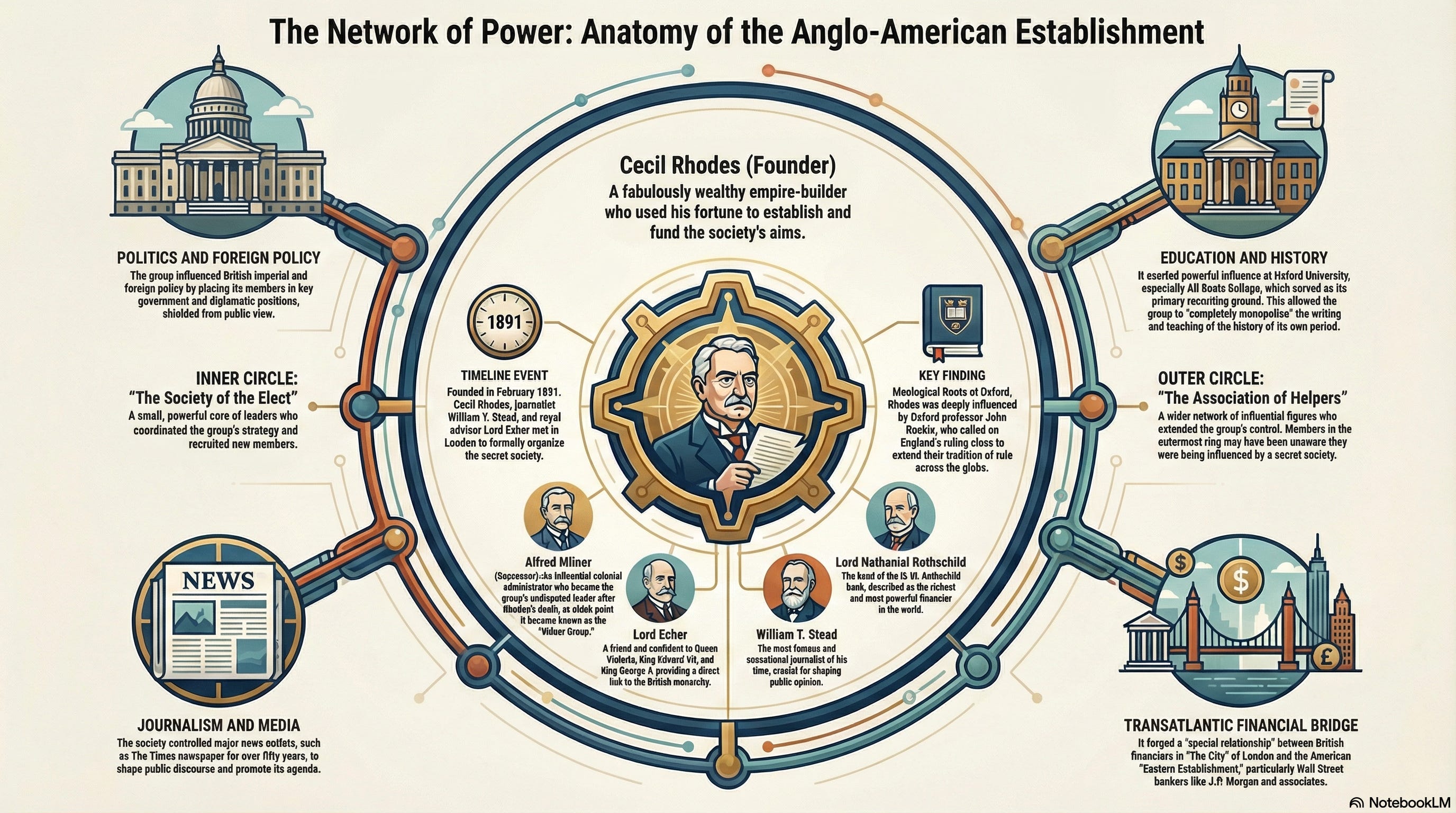
The Network of Power
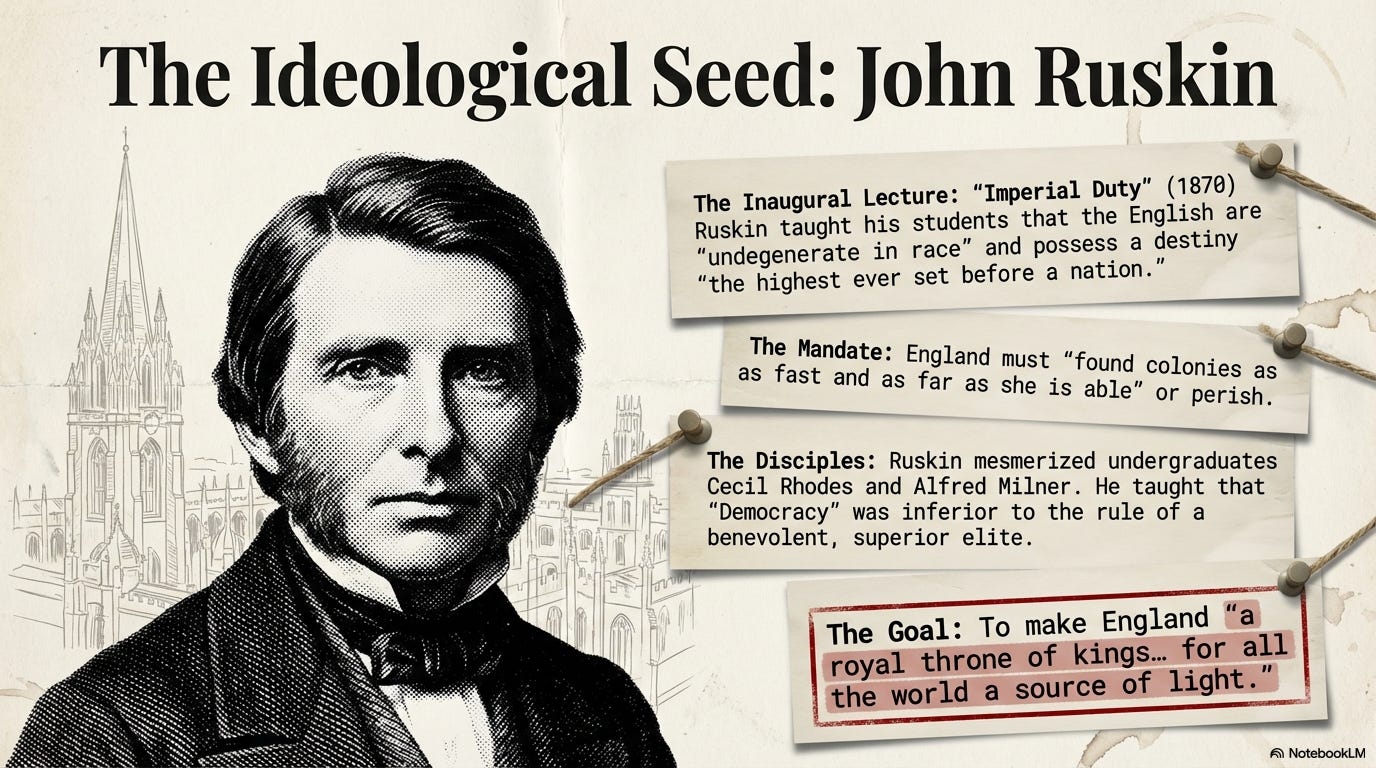
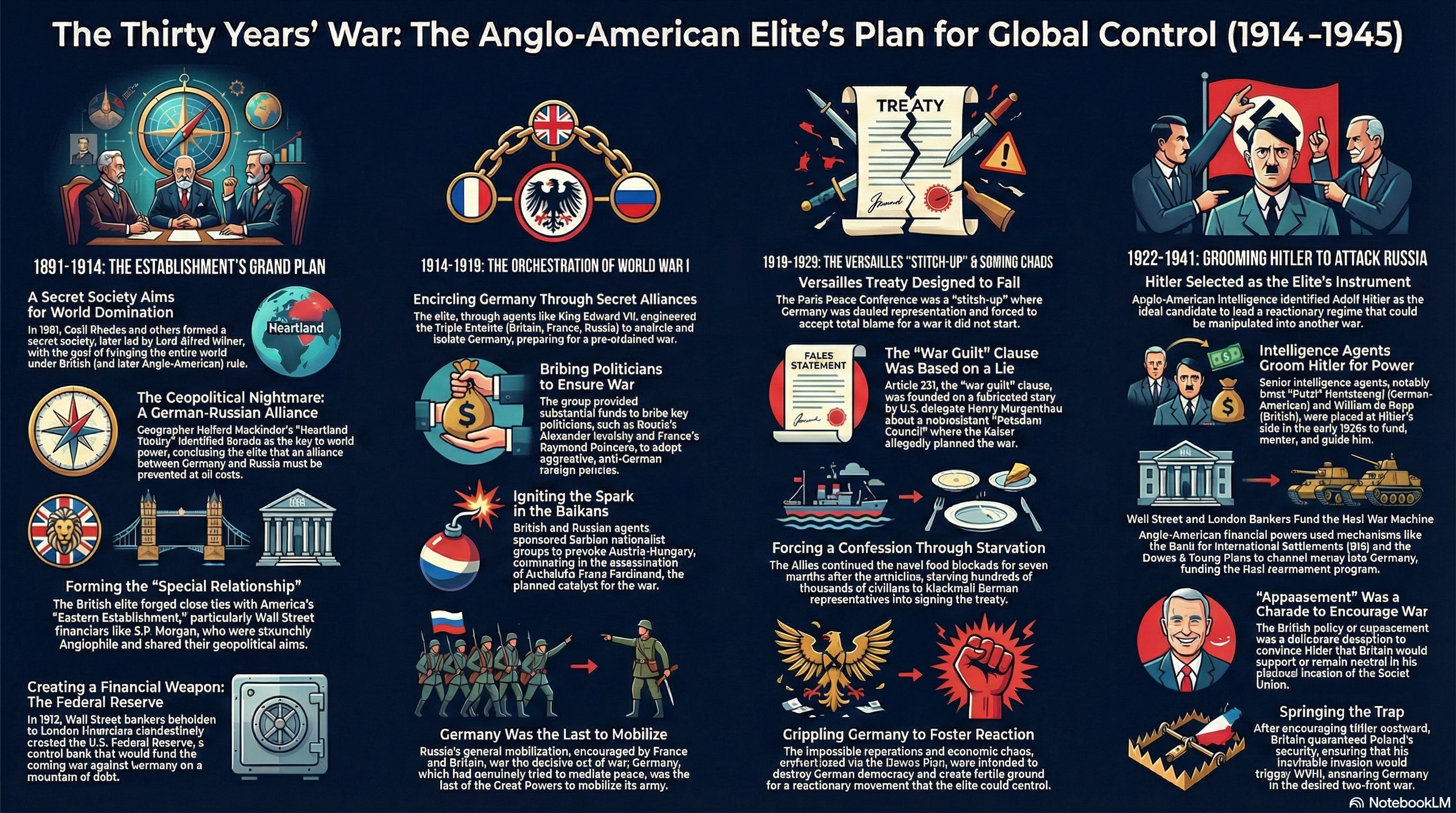
Dr. McGregor and Dr. O’Dowd identify a lineage of influence that begins with Cecil Rhodes’s “Society of the Elect,” founded in 1891. This organization, according to historian Carroll Quigley, united elite graduates of Oxford and other British institutions through a central goal: the creation of a global Anglo-Saxon empire.
Within this hierarchy, the inner “Society of the Elect” coordinated strategy, while the outer “Association of Helpers” extended control through politics, journalism, diplomacy, and finance. Rhodes’s structure created an enduring bridge between British aristocracy and American industrial wealth. Figures associated with Oxford’s All Souls College and Wall Street financiers inherited this blueprint, shaping both nations’ policies across generations.
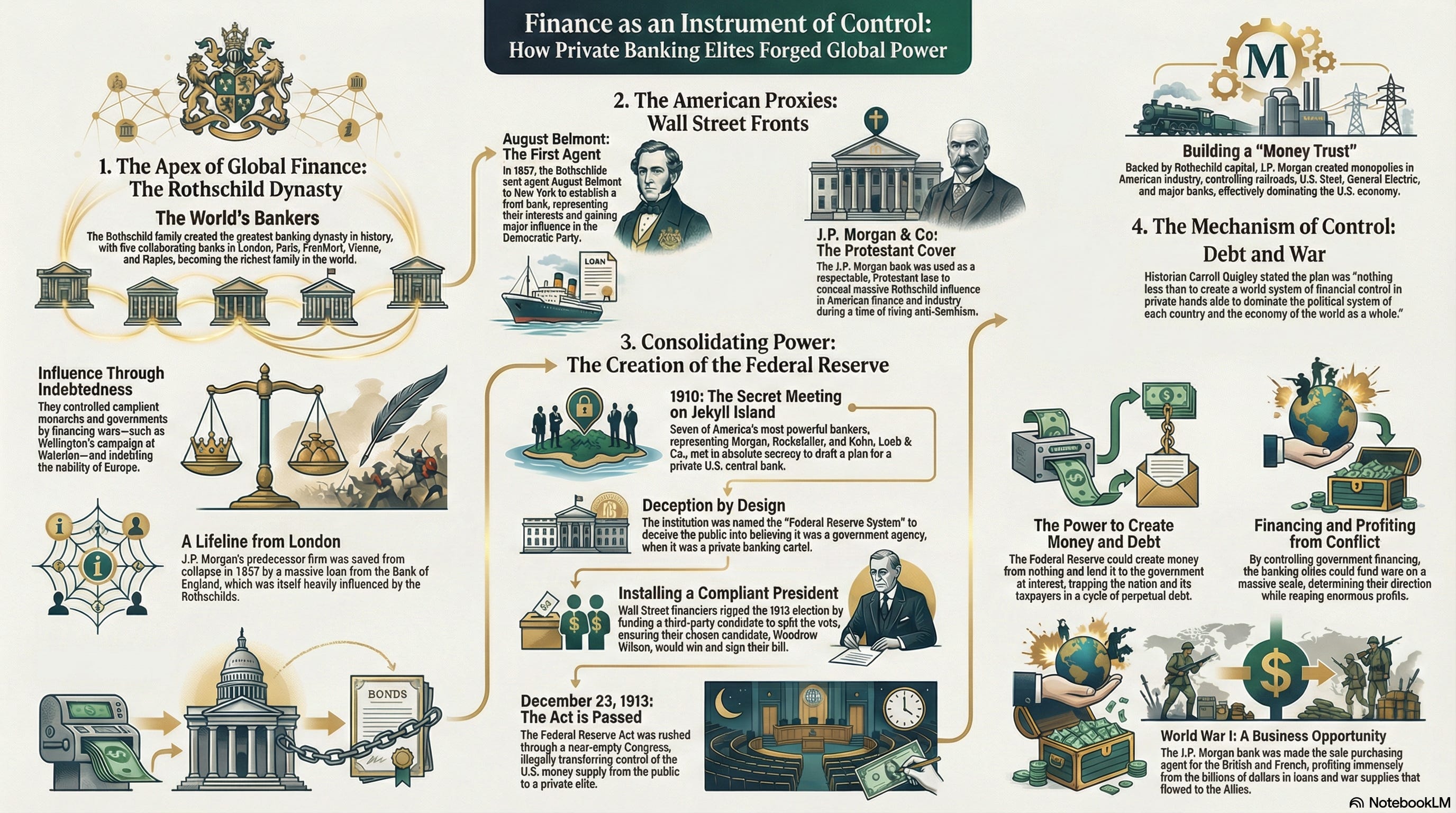
Finance as an Instrument of Control
The discussion centers on how the Rothschild banking dynasty expanded its influence through American proxies, including J.P. Morgan & Co. By channeling European capital into American firms, Morgan’s group acted as a front for transatlantic banking interests. The Federal Reserve’s creation in 1913 marked the consolidation of this power. Quigley described the Fed as a private system of financial control capable of directing national economies. By creating credit and charging interest, bankers could finance governments and wars independently of state treasuries. This control over debt positioned them to determine both the scale and direction of conflict.
Constructing the First War
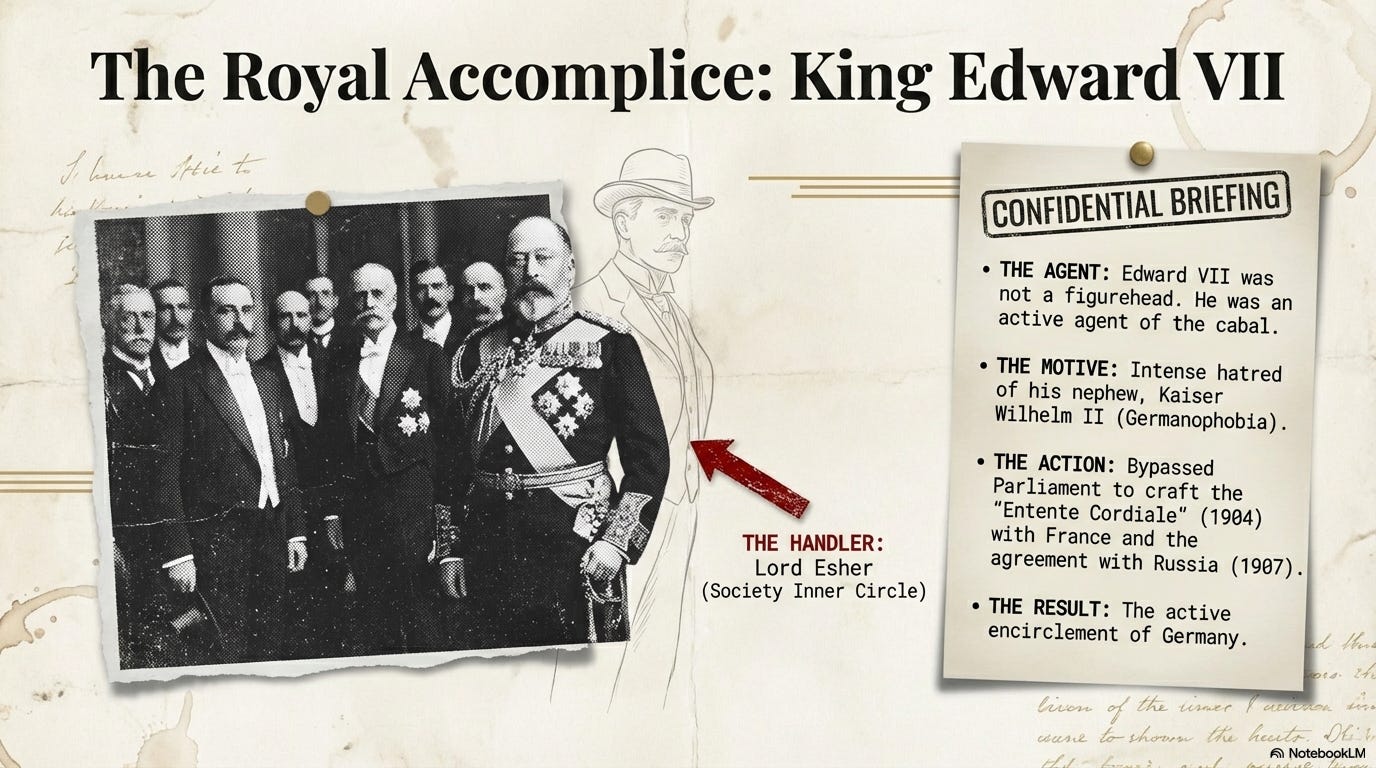
King Edward VII emerges as a central figure in the prewar alignment. As Grand Protector of the Freemasons, Edward leveraged personal and institutional ties to forge alliances against Germany. His coordination with U.S. President Theodore Roosevelt established policy symmetry across the Atlantic.

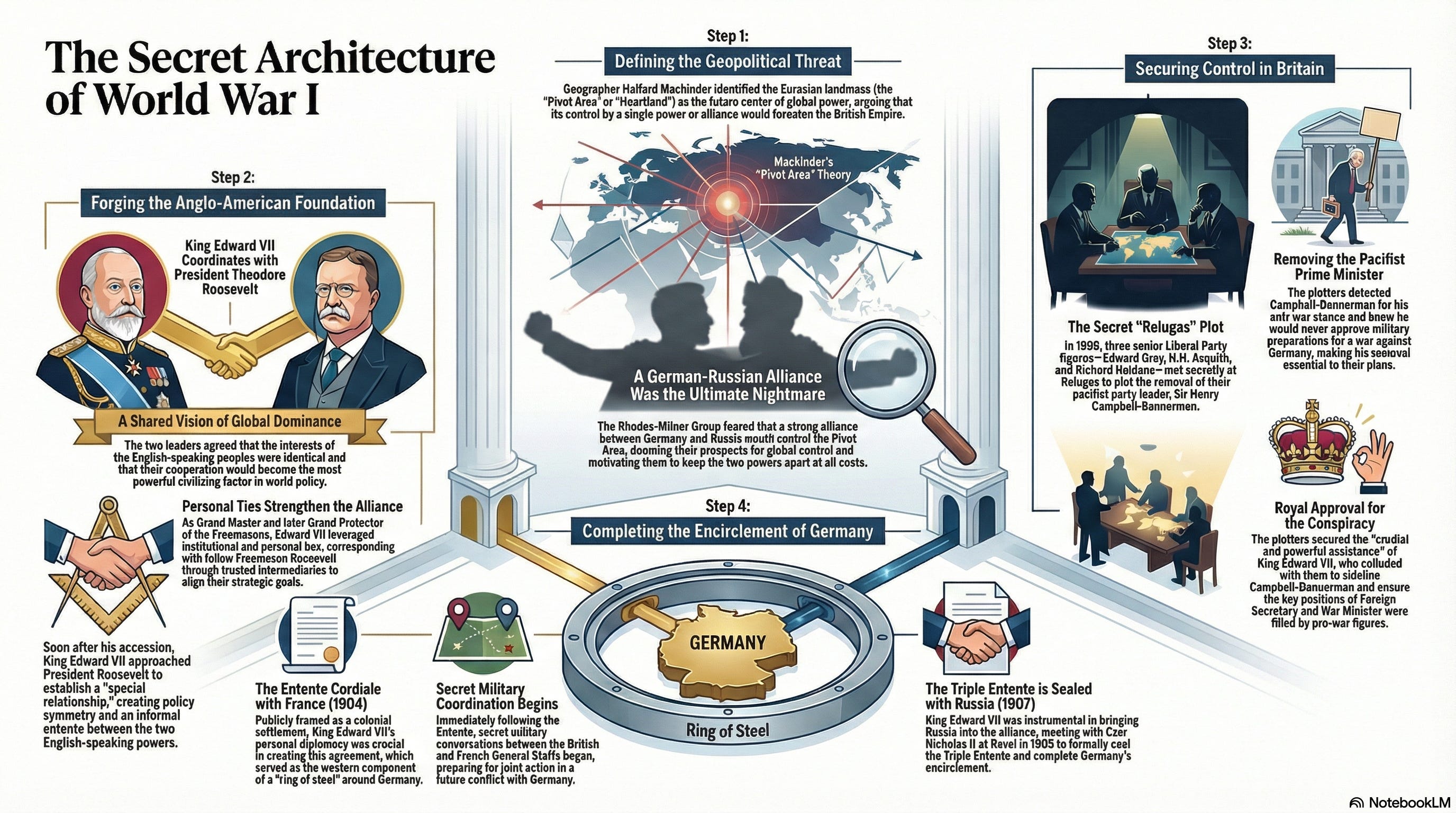
The Entente Cordiale with France in 1904, officially framed as a colonial settlement, served to complete a western pincer around Germany. The Relugas group — Edward Grey, H.H. Asquith, and Richard Haldane — met secretly to remove the pacifist Prime Minister Campbell-Bannerman and to prepare military coordination with France. Their internal maneuvering ensured Britain’s readiness for continental war.
Blocking Peace and Directing Conflict
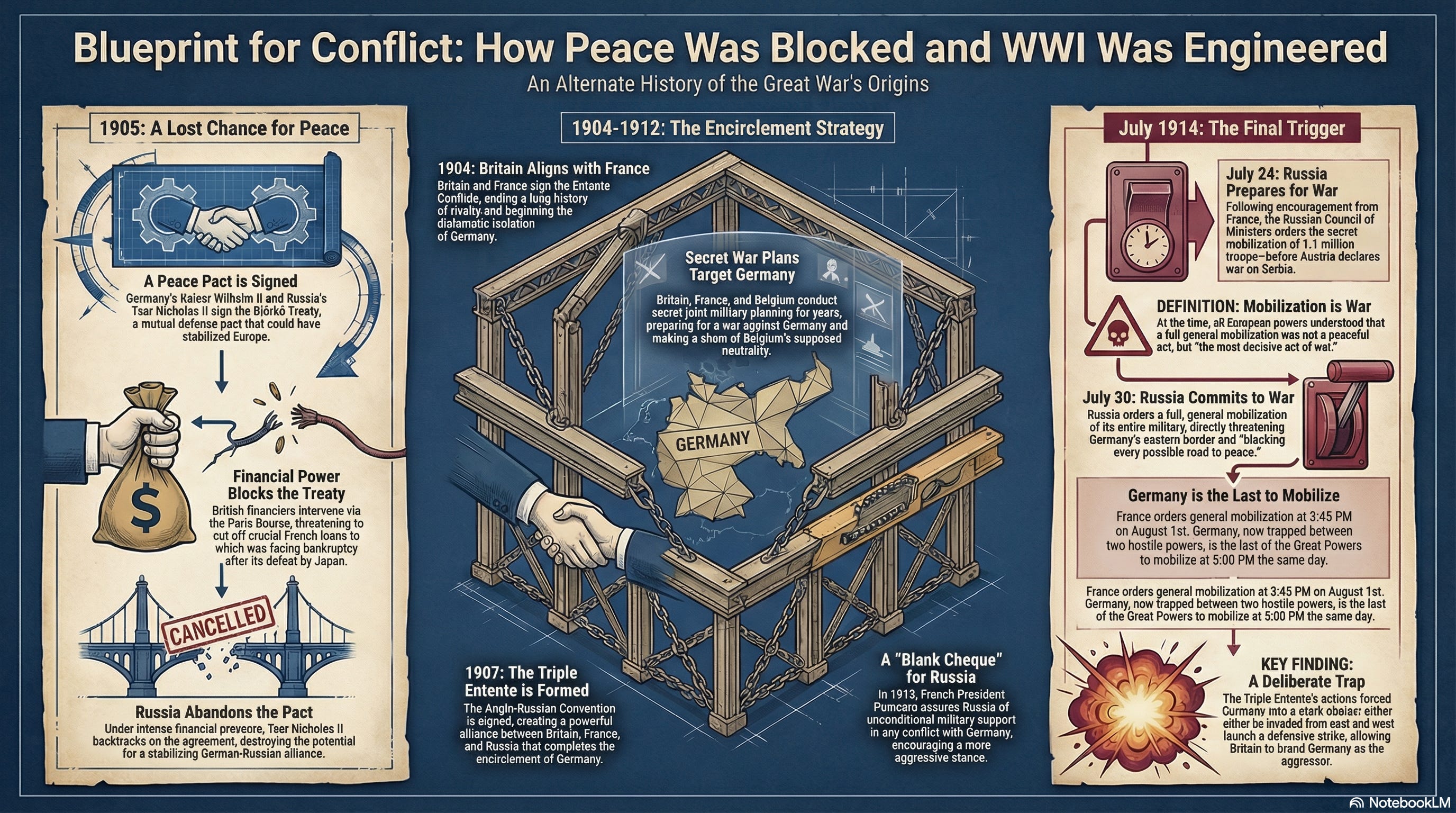
When Kaiser Wilhelm II and Tsar Nicholas II signed the Björkö Treaty in 1905, they sought a mutual defense pact that might have stabilized Europe. According to the book, British financiers intervened through the Paris Bourse, threatening to halt French loans to Russia. Facing bankruptcy after defeat by Japan, Russia abandoned the treaty. By 1914, Britain and France had diplomatically encircled Germany. The Russian general mobilization of July 30, 1914, then triggered a chain of declarations that transformed local conflict into global war. The Deep Dive discussion highlights how this mobilization, more than any single assassination or invasion, initiated the cascade.
Manufacturing Guilt
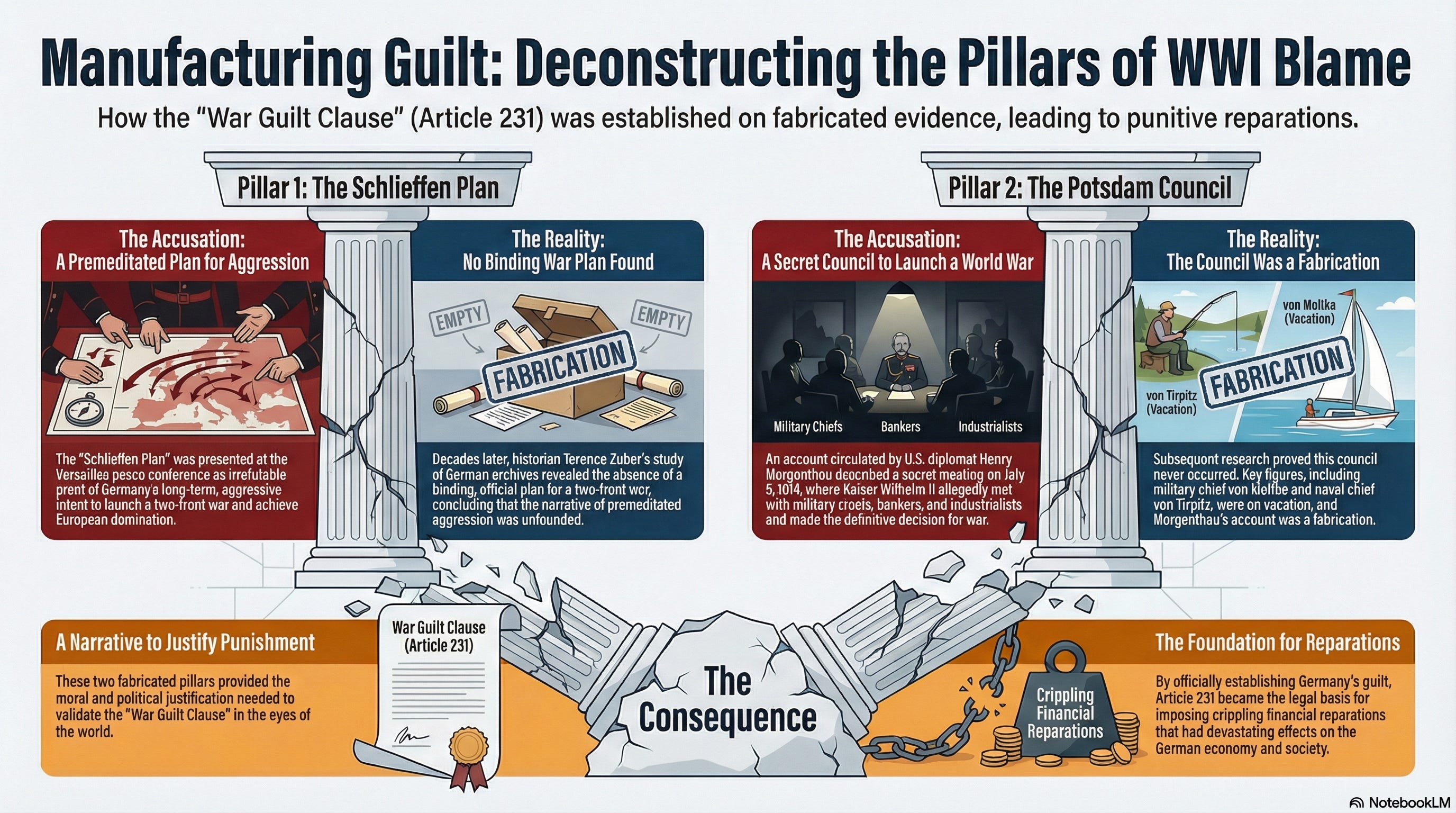
After the war, the peace conference institutionalized blame through Article 231 of the Versailles Treaty. The narrative rested on two pillars: the Schlieffen Plan and the alleged Potsdam Council meeting of July 5, 1914. Historian Terence Zuber’s later study of German archives revealed the absence of a binding two-front war plan, undermining the premise of German aggression. The Potsdam account, first circulated by U.S. diplomat Henry Morgenthau, described a secret meeting where the Kaiser supposedly decided for war; subsequent research demonstrated that such a council never occurred. Yet this fabrication justified reparations and validated the “war guilt” clause.
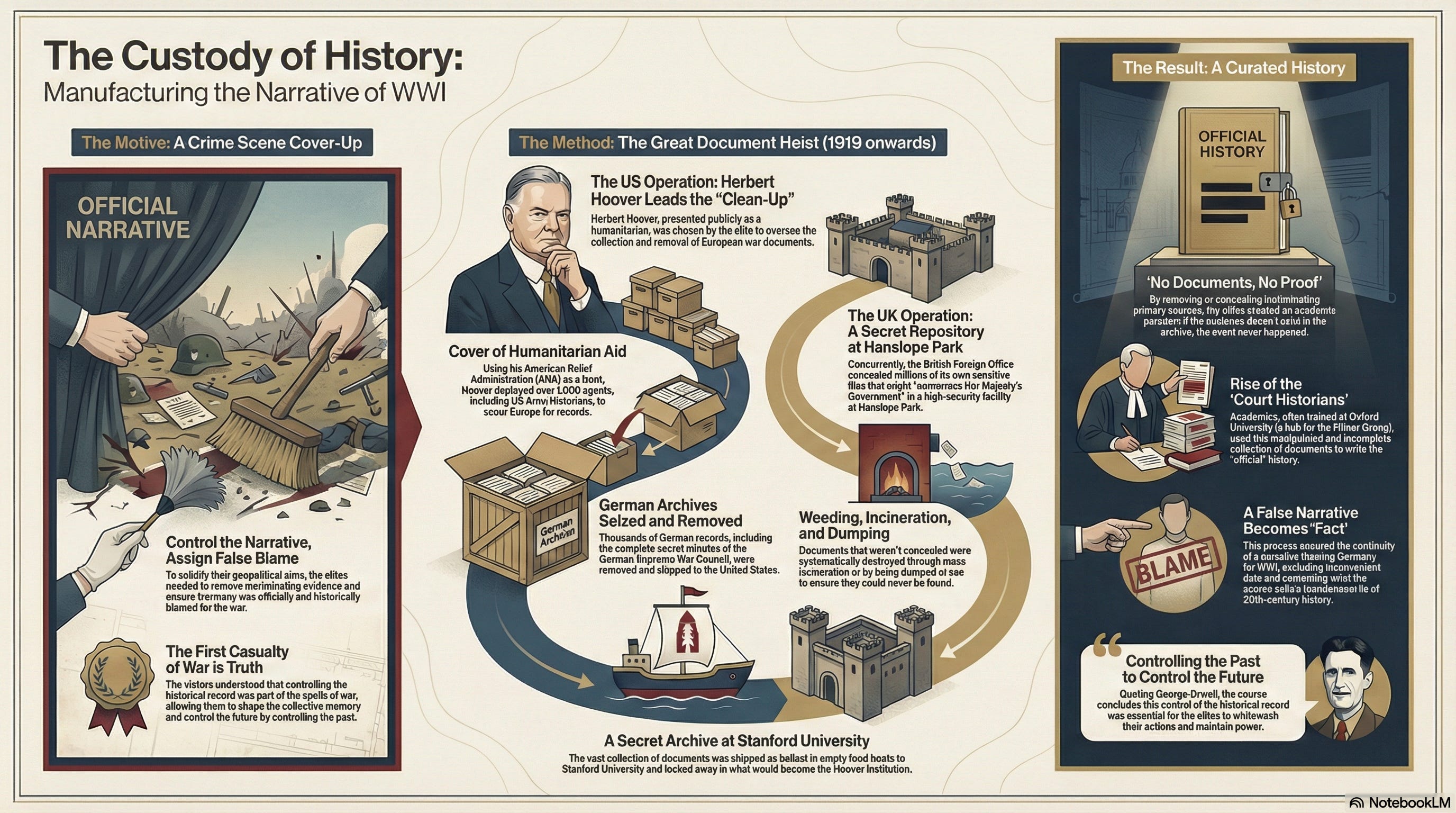
The Custody of History
Herbert Hoover’s War Collection, assembled under the cover of humanitarian aid, gathered and removed vast caches of European documents. Thousands of German records, including minutes of the Supreme War Council, disappeared into private archives at Stanford University. The British Foreign Office placed sensitive files at Handslope Park under long-term restriction. These actions shaped the academic record that followed. Official historians, trained within Oxford’s network, wrote from this curated evidence, ensuring continuity of narrative and exclusion of inconvenient data.
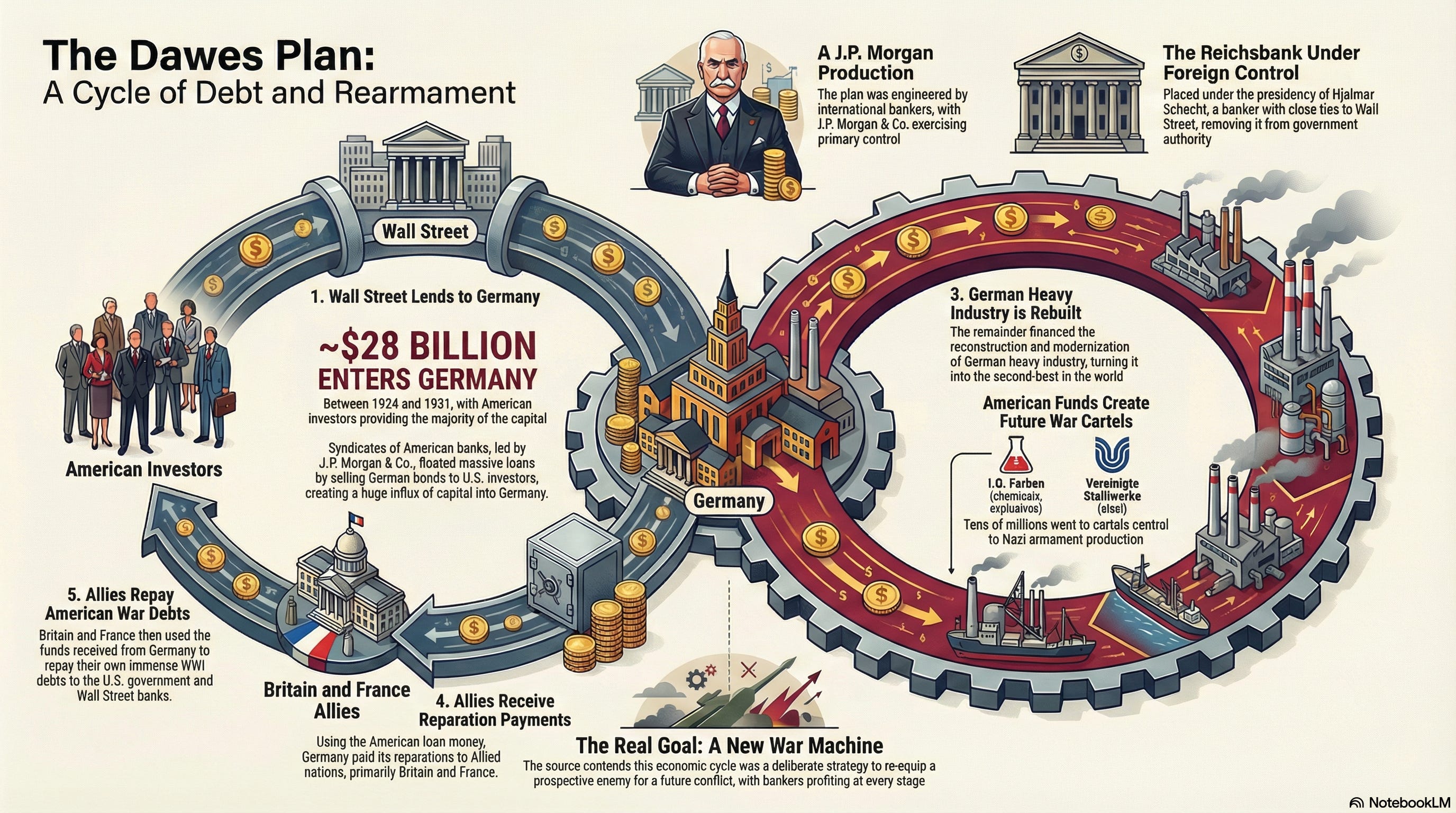
Rebuilding Germany
The Dawes Plan of 1924 recycled capital through a self-feeding loop. Wall Street banks lent Germany money to pay reparations to Britain and France, who then used those funds to repay their American debts. Each cycle increased interest obligations. Between 1924 and 1930, approximately $28 billion entered Germany; less than half went to reparations. The remainder financed heavy industry. Companies such as IG Farben and Vereinigte Stahlwerke received tens of millions of dollars and became central to future armament production. The Reichsbank, removed from government authority and placed under Hjalmar Schacht, connected German monetary policy directly to American lenders.
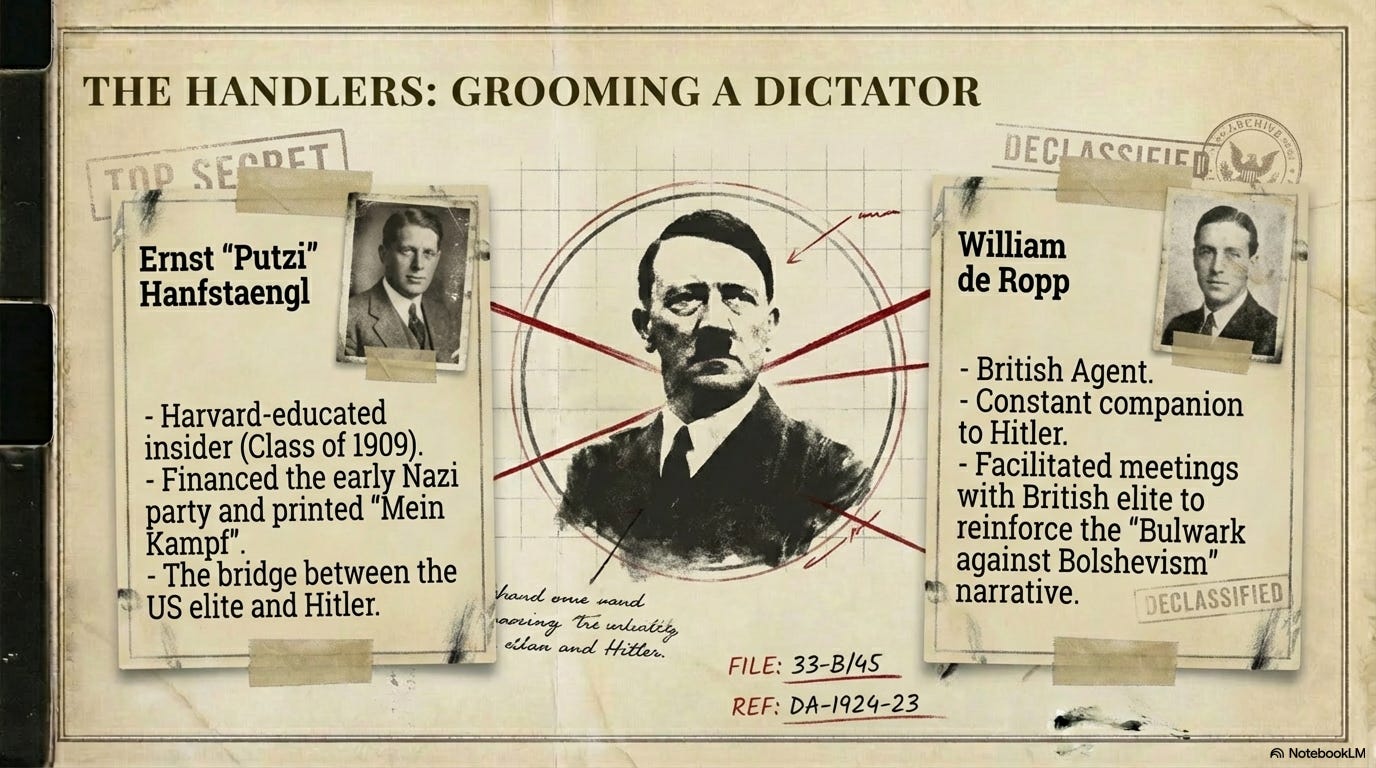
The Shaping of Hitler
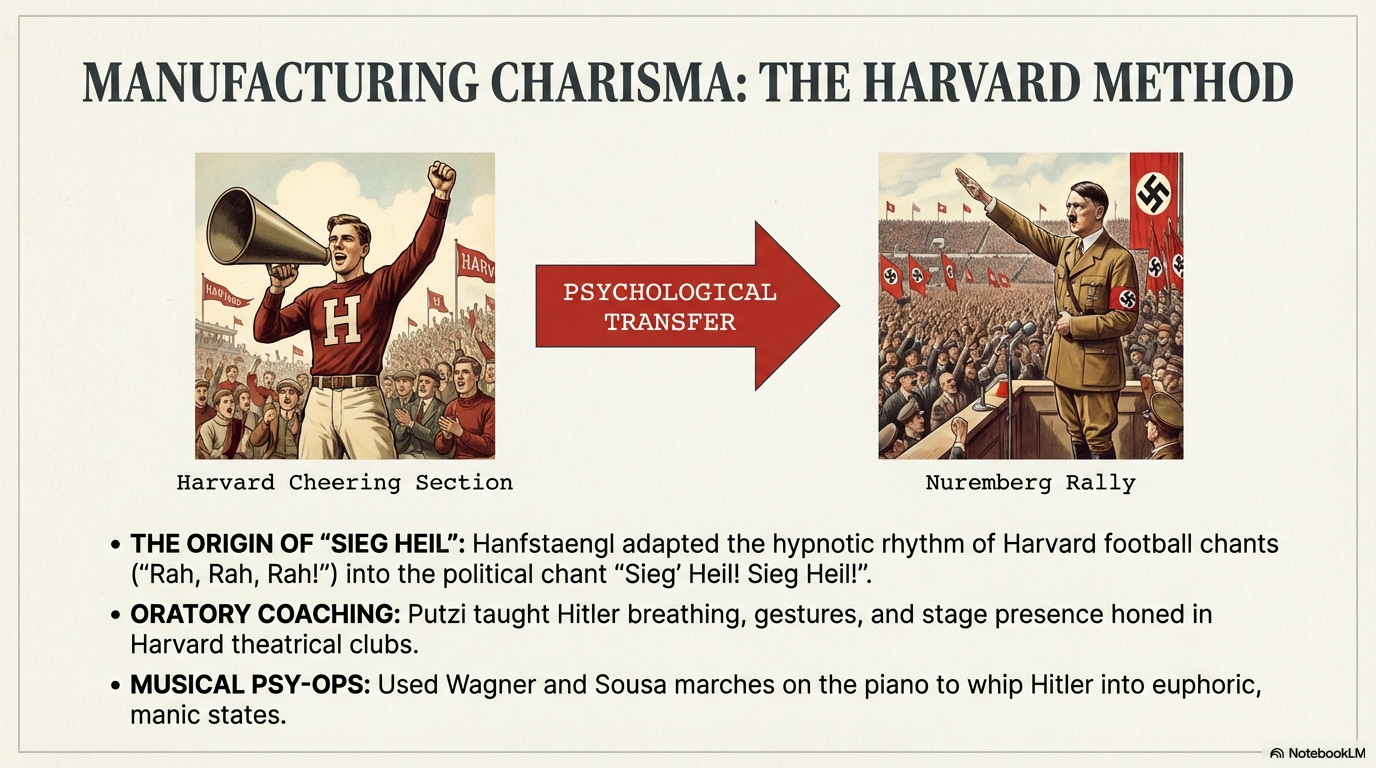
Harvard graduate Ernst “Putzi” Hanfstaengl entered Hitler’s circle in the 1920s, coaching him on presentation and introducing him to influential Americans, including Franklin D. Roosevelt’s associates. British intelligence veteran William de Ropp served as an intermediary between Hitler and London.
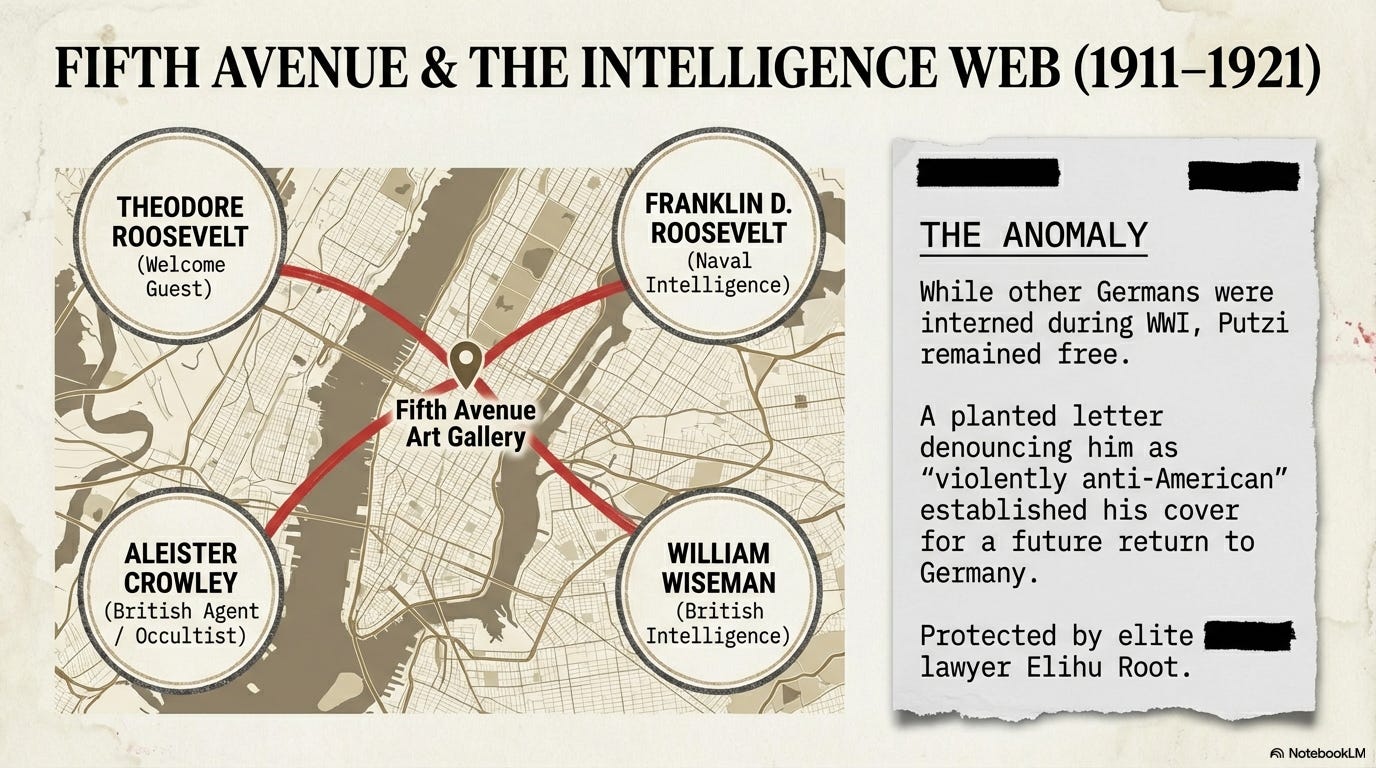
These relationships, as outlined in the podcast, positioned Hitler within a transatlantic web of contact. The Reichstag fire of 1933, coordinated by Nazi operatives under Hanfstaengl’s direction, catalyzed emergency decrees that gave Hitler absolute power. Hanfstaengl remained immune from prosecution, reinforcing his protected status.
Appeasement and Design
By the late 1930s, Lord Lothian, Lord Halifax, and the Cliveden Set guided British foreign policy toward accommodation. Meetings at the Astor family estate aligned media coverage and political messaging. Editors like Geoffrey Dawson of The Times and William Randolph Hearst in the United States amplified a sympathetic image of Hitler.
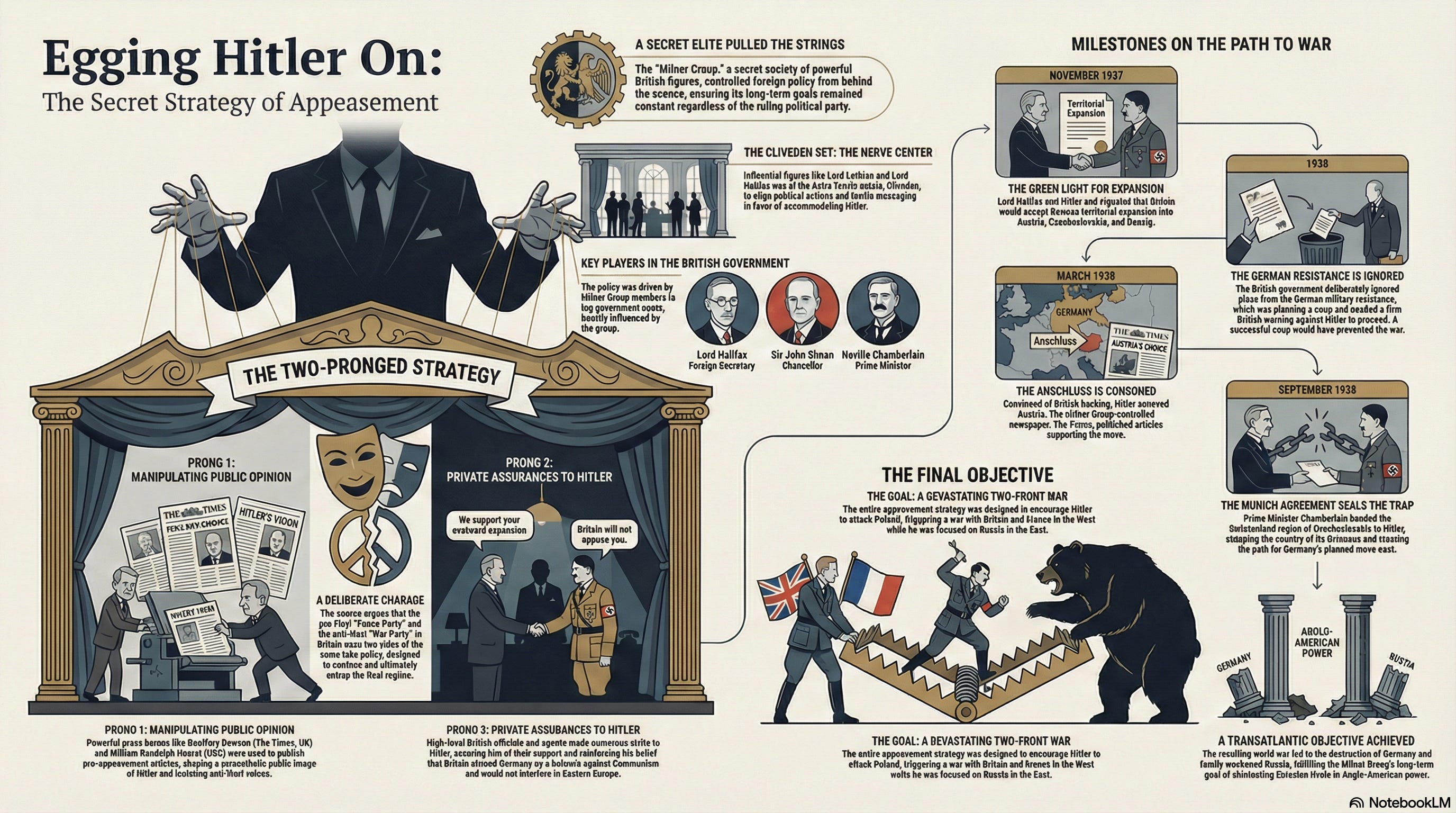
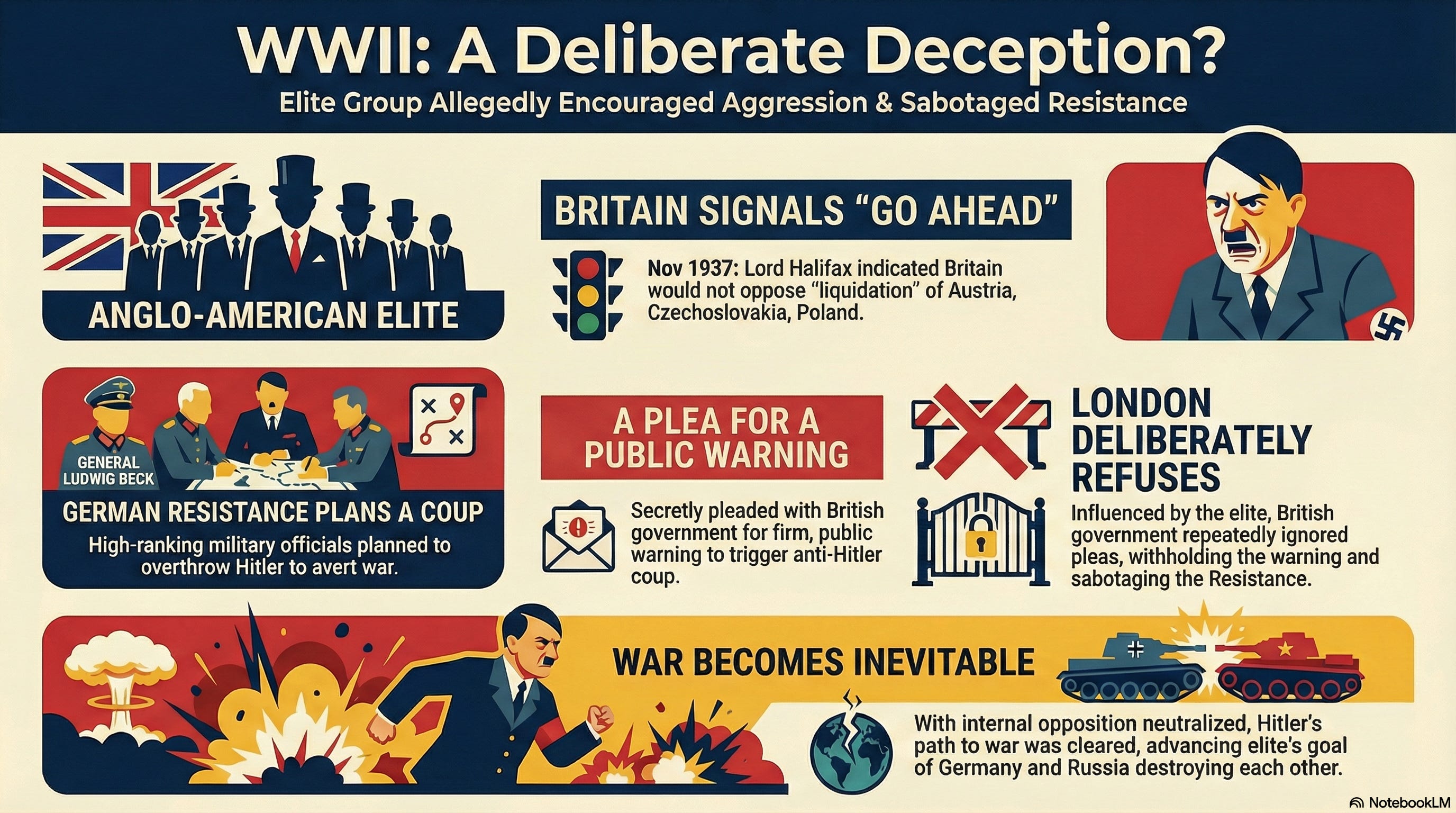
In November 1937, Halifax met Hitler and signaled Britain’s acceptance of territorial revisions involving Austria, Czechoslovakia, and Danzig. German officers preparing a coup required a British warning to legitimize action; the Milner Group withheld it. The coup failed, war followed, and the transatlantic objective—to destroy German and Russian power—advanced to completion.
Alternate Languages:
German - Deutsch
French - Français
Italian - Italiana
Russian - Русский
Ukrainian - Українська
Spanish - Española
Japanese - 日本語
Chinese - 中國人
Hebrew - עִברִית
Arabic - عربي
Hindi - हिंदी
Korean - 한국인
Danish - Dansk
Swedish - Svenska
Norwegian - Norsk
Dutch - Nederlands
Polish - Polski
Portuguese - Português
Thanks to the generosity of my readers, all my articles are available for free access. Independent journalism, however, requires time and investment. If you found value in this article or any others, please consider sharing or even becoming a paid subscriber, who benefits by joining the conversation in the comments. I want you to know that your support is always gratefully received and will never be forgotten. Please buy me a coffee or as many as you wish.

The Duke Report - Where to Start
My articles on SubStack are all free to read/listen to. If you load the Substack app on your phone, Substack will read the articles to you. (Convenient if you are driving).
Foundational Articles
Podcast (Audio & Video Content)
Palmerston’s Zoo Episode 01 - Solving the Paradox of Current World History (9 Episodes)
Oligarchic Control from the Renaissance to the Information Age
SoundCloud Book Podcasts
I’ve taken almost 200 foundational books, for understanding how the world really works, and posted them as audio podcasts on SoundCloud. If you load the app on your phone, you can listen to the AI robots discuss the books on your journeys across America.
Duke Report Books
Over 600 foundational books by journalists and academics that never made the New York Times Bestseller list, but somehow tell a history we never learned in school. LINK


