

The Star Within the Circle
How an Oligarchy that is Thousands of Years Old Maintains Control Through Secret Round Table Groups


Updated December 20, 2025.
The following article presents a thought experiment outlining a hidden oligarchy that secretly controls the world, concealed and mostly unknown to the public. Because of the oligarchy’s secretive nature, much of what follows is speculative, but it aligns better with what is known than the official story or mainstream beliefs.


Some of history’s greatest crimes remain shrouded in mystery, their true perpetrators never facing justice. Three of the most glaring examples — the assassination of John F. Kennedy (November 22, 1963), the mysterious ‘death’ of Jeffrey Epstein (August 10, 2019), and the recent assassination of Charlie Kirk in Orem, Utah (September 10, 2025)1 — reveal a consistent pattern: whenever the highest levels of power are implicated, investigations stall, videos and evidence disappear, witnesses die, and the official narrative dissolves into ambiguity. These events form part of the documented historical record that guides the analysis that follows.
Based on observations across historical events, intelligence leaks, and metadata analysis, I propose that a 3000-year-old oligarchical structure operates through interconnected Round Table groups, insulated from governments, courts, and public scrutiny. These groups maintain absolute secrecy, resolve conflicts internally, and control global decision-making outside the bounds of law.

The Star-in-Circle Model as the Hidden “Org Chart” of Power
Most people think of power in terms of governments, corporations, and institutions, where leadership is structured through a clear Org Chart — a top-down hierarchy that dictates authority, decision-making, and chains of command. This is a current trope championed by my friend, Curtis Yarvin.
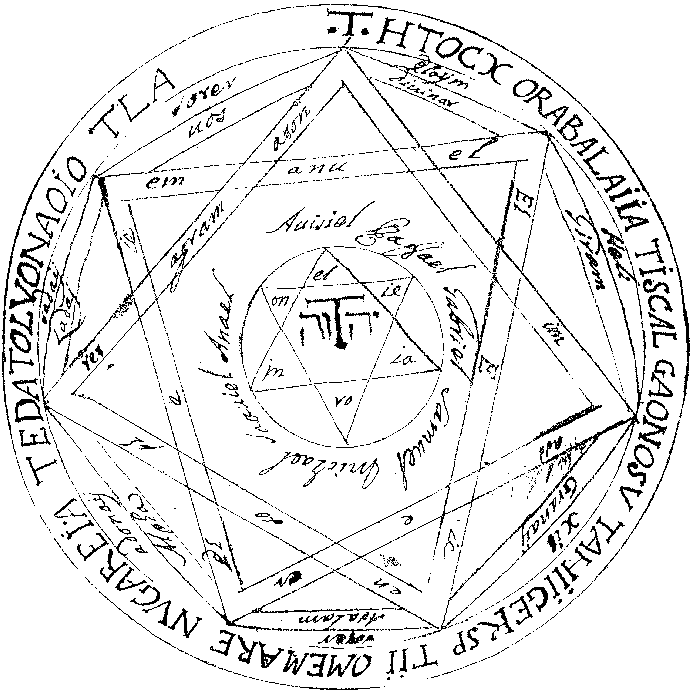
But what if there were another Org Chart, one that isn’t taught in business schools, isn’t published in corporate reports, and isn’t accountable to elections, laws, or shareholders?
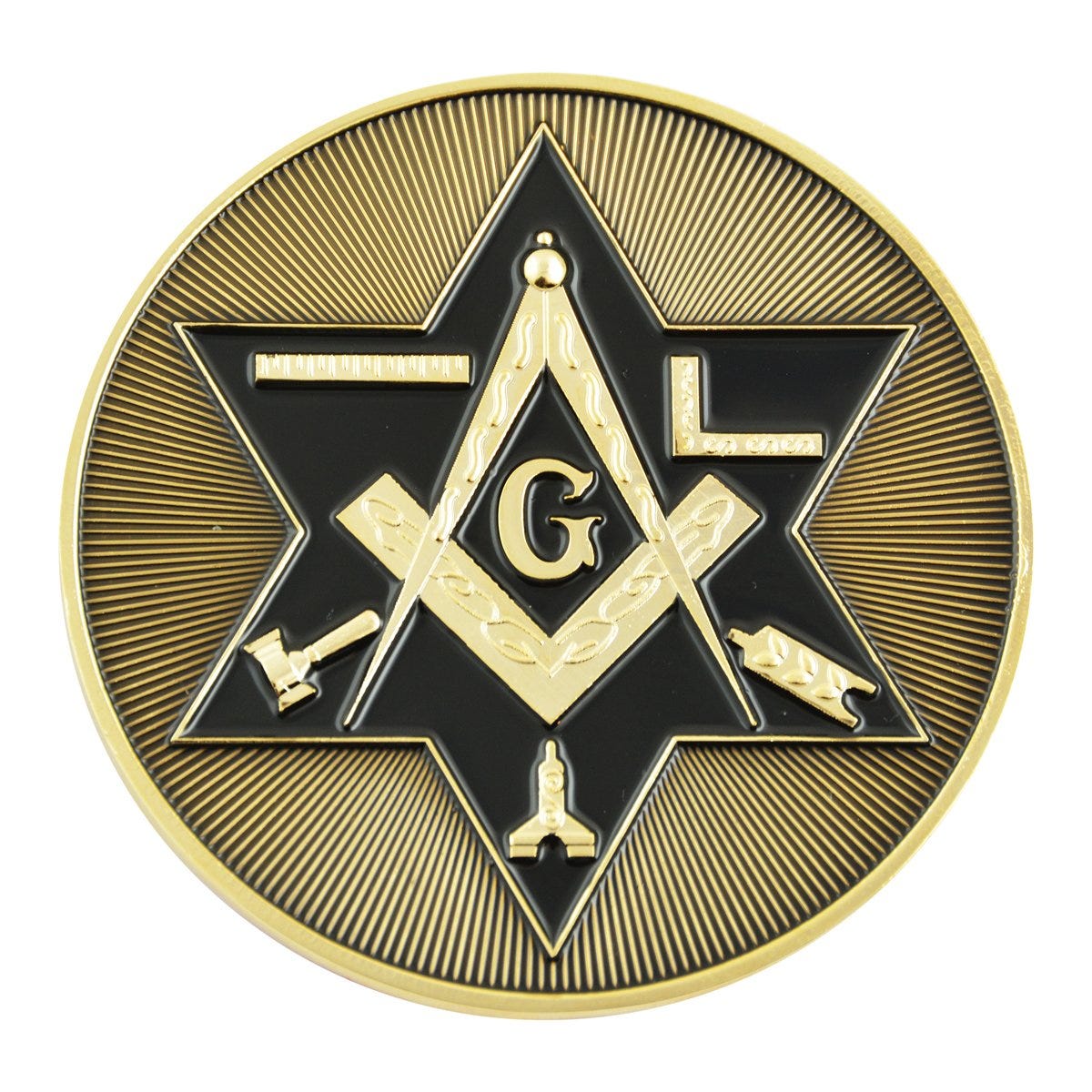
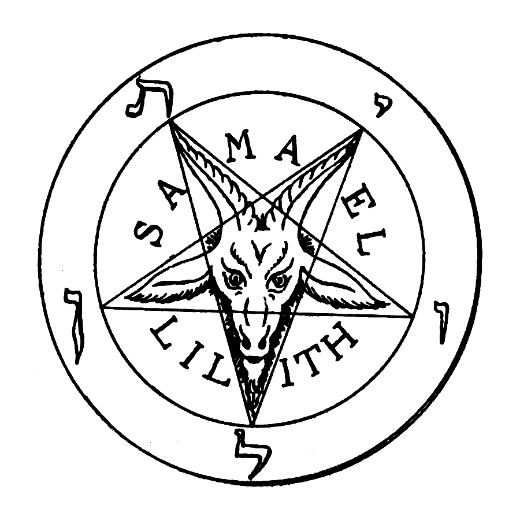
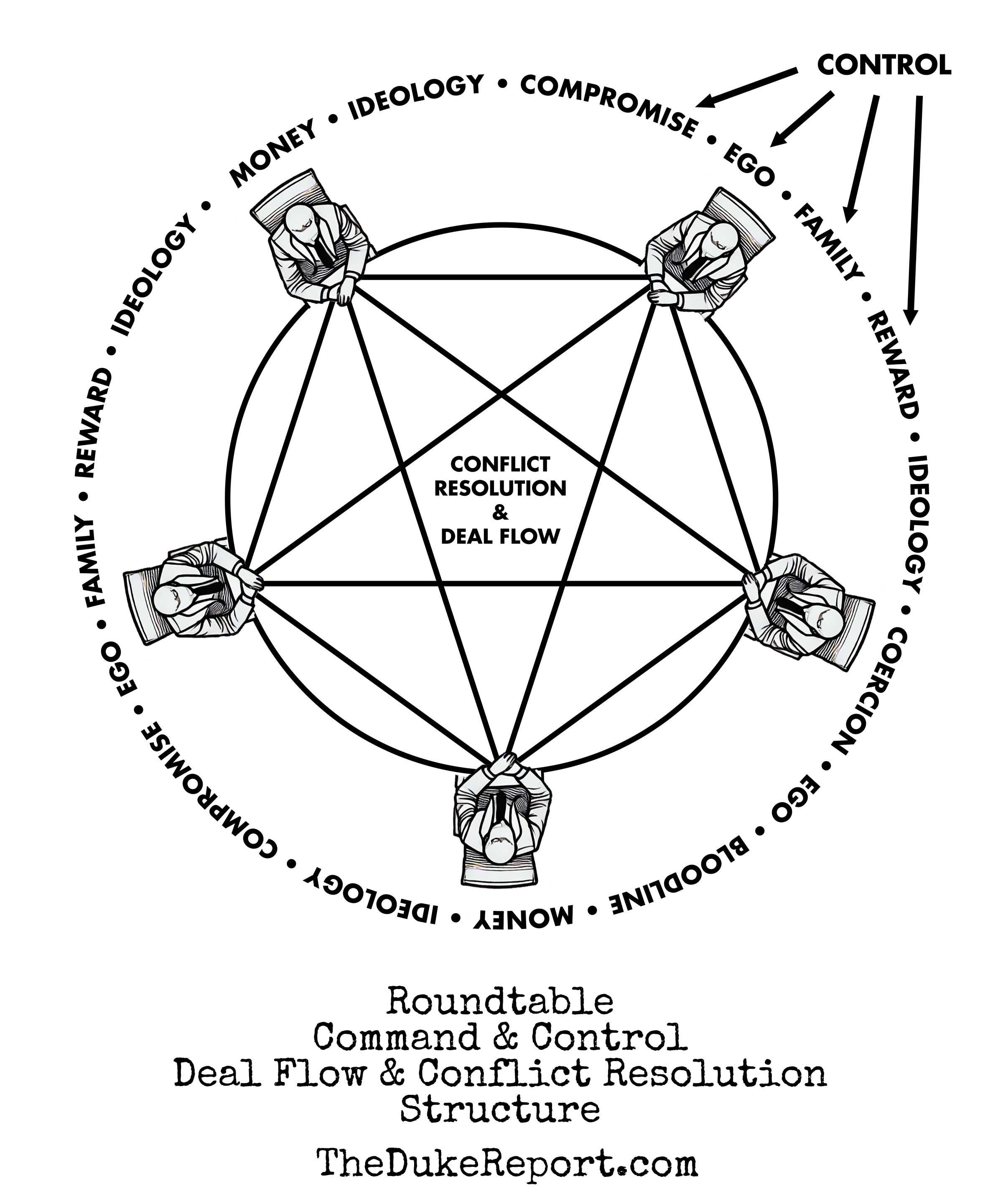
This is the Star-in-Circle Model — the actual power structure that operates behind and above the visible Org Chart of global institutions.
The Circle represents external control and enforcement of loyalty mechanisms, best remembered as M.I.C.E. + F. Money, Ideology, Compromise (or Coercion), Ego, and Family (or Bloodline).
The Star represents internal networking and deal flow — hidden agreements, conflict resolution, and policy formation among members.
However, the true complexity of this model becomes manifest when we consider that many individual members of these Round Table groups also hold seats in multiple organizations. This creates an interwoven network of power in which different groups form reciprocal alliances.

In other words, the hidden Org Chart of the world isn’t structured like a corporate pyramid but like a constellation of interlocking stars — a dynamic power matrix that resembles a geometric arrangement of circles or ‘sefirot’, where each node of power connects to multiple others, forming a self-reinforcing elite governance system – a ‘cabal.’

This is an analysis of potentially how power functions — a question as old as philosophy itself.
As Parmenides asked:
“What is?”2
This investigation seeks to answer that question by exploring what power is, how it sustains itself, and how it has adapted over time and across technologies.
Thanks to my readers' generosity, all my articles are free to access. Independent journalism, however, requires time and investment. If you found value in this article or any others, please consider sharing or even becoming a paid subscriber, who benefits by joining the conversation in the comments. I want you to know that your support is always gratefully received and will never be forgotten. Please buy me a coffee or as many as you wish.
The Symbols of Power
There’s an adage that goes something like “You will recognize them by their symbols.” The ancient ruling class has always marked its presence through esoteric signs, emblems, and coded language. As Albert Pike, the highest-ranking Freemason of the 19th century, wrote:
"Symbols were the almost universal language of ancient theology. They were the most obvious method of instruction; for like nature herself, they addressed the understanding through the eye…"3
The Star-in-Circle itself is a symbol — and perhaps not just an abstract concept but a real organizational pattern used across history to bind members into covert networks. These symbols are found embedded within secret societies, corporate logos, and national emblems, indicating where power truly lies.

According to Frances Leader, the entire framework of modern Masonic orders was rooted in the structure of the Roman Empire, which itself was built on Nimrod’s Babylonian, Kabbalistic world-tyrannical doctrine.4 Leader traces this lineage through:
Priory of Zion (1099)
Knights Templar (1118)
Knights of Malta (1099)
Knights of the Garter (1312)
Rosicrucian Order (1407)
Jesuit Order (1534-40)
Zionism (1776)
These interconnected secret orders functioned as the enforcement arm of imperial governance, evolving into Round Table groups, intelligence agencies, and financial cartels that dominate modern geopolitics.5

Fabian Permeation (the Judas Effect) as a Counterintelligence Tool
This model ensures that any opposition, internal or external, is preemptively managed, compromised, controlled, or eliminated.

One of the most effective preemptive counterintelligence tools used by these Round Table groups is Fabian Permeation (or a “Judas Effect”) — a method of infiltration and disruption that ensures rival factions and reform movements are neutralized before they can pose a real threat.6 This technique, refined over centuries, allows the oligarchy to manage both sides of conflicts, ensuring that even movements designed to resist them ultimately serve their interests.

While most organizations seek to defend themselves against external threats, the Star-in-Circle Model is designed to prevent internal subversion before it begins. This is why:
Round Table groups use initiation rituals, planned failures, and blackmail to ensure that members are compromised before they gain access to real power.7
Controlled opposition is cultivated early and often — any legitimate threat to the cabal system is either infiltrated or redirected into managed ideological channels.8
Permeated Organizations can be controlled and directed to create chaos on a global scale. E.g., the grooming, support, and financing of Adolph Hitler910, the Bolsheviks11, and the Soviet Union1213, which were incubated by the same City of London and Wall Street cabal and unleashed on the world, resulting in the deaths of millions of innocent people.
Mass psychological warfare and epistemological control shape public narratives, ensuring that resistance is ineffective before it even begins.14
This is the foundation upon which the modern world operates — a hidden governance cabal system that silently directs major geopolitical, financial, and cultural shifts.
Understanding the Star-in-Circle Model may be the first step toward recognizing the real power structures that shape our lives.
In the next section, we will examine how this cabal system evolved from earlier iterations, with a focus on the Jesuits — the first global intelligence network. Their structure and methods would become the template for every secret society, intelligence agency, and financial elite that followed.

II. A Jesuit Blueprint for Secret Governance
The Society of Jesus (Jesuits), founded in 1540 by Ignatius of Loyola, was the first global intelligence network, operating with a precision that rivaled and ultimately shaped modern espionage agencies. Unlike other monastic groups, the Jesuits were embedded in royal courts, universities, and diplomatic missions, acting as spies, advisors, and educators. Their success in gaining influence over kings and ruling elites ensured that they became one of the most powerful, secretive organizations in history.
The Jesuit Org Chart, much like the Star-in-Circle Model, was structured not as a traditional hierarchy but as an interwoven network. A Jesuit might serve as a confessor to a king, a teacher to a noble’s children, or an advisor to a foreign ruler, while secretly reporting to his superior within the order. The result was an intelligence-gathering and influence-wielding cabal system that operated across borders, outside the constraints of national laws.
A. The Jesuits: Masters of Control and Infiltration
The Jesuit model pioneered a cabal system of secrecy, discipline, and compartmentalization that would become the foundation for future secret societies, intelligence agencies, and elite networks.
Absolute Obedience to the Superior General: Known as the “Black Pope” due to his immense hidden influence, the Superior General of the Jesuits wielded absolute authority over the order. All members were bound by total obedience, ensuring loyalty above national or ideological ties.15
The Jesuit Oath of Induction: A controversial document, allegedly circulated among high-ranking members, describes a commitment to deception, infiltration, and control by any means necessary to advance the order’s goals.16
Compartmentalization: Jesuit recruits were only given information necessary for their specific role, ensuring that even within the order, few understood the full scope of its operations.17
Education as a Tool of Influence: By controlling Europe’s most prestigious universities, the Jesuits shaped the minds of future politicians, generals, bankers, and intellectuals, ensuring that elite power structures were aligned with their interests.18
Espionage and Political Manipulation: Jesuits often served as confessors and advisors to kings, giving them access to state secrets and the ability to subtly steer national policies from behind the throne.
Historically, this deep penetration into ruling circles ensured that no significant political or financial decision could be made without Jesuit oversight or influence.

B. Structural Parallels to Later Secret Societies
The Jesuit model of hierarchical secrecy, infiltration, and ideological conditioning was replicated later by many organizations seeking to exert hidden influence:
Adam Weishaupt’s Illuminati (1776): Illuminati founder Weishaupt, a Jesuit-trained professor and Freemason, copied the Jesuits’ initiation system, cell-based organization, and ideological discipline, creating a secular order dedicated to covert global control.19
Cecil Rhodes’ Round Table (Late 19th Century): Rhodes (also a Freemason) explicitly stated that his secret society should follow the Jesuit model, replacing religious goals with the expansion of the British Empire.20
Modern Intelligence Agencies: The CIA, MI6, and Mossad inherited Jesuit principles of secrecy, deception, and psychological warfare, using them to manage assets and recruit operatives.21
Compartmentalization and need-to-know organizations, such as the Manhattan Project, share similar command-and-control structures.
This intelligence-based model — which ensured absolute loyalty and compartmentalized knowledge — allowed the Jesuits to function as a state within a state, much like intelligence agencies do today.
C. The Jesuit Model of Deep-State Governance
The Society of Jesus pioneered the art of ruling from behind the throne, a method later adopted by intelligence agencies, think tanks, and corporate power structures. Their primary mechanisms included:
Control of Education – Jesuit-run schools became the breeding ground for future leaders, ensuring that elite governance aligned with their strategic interests.22
Infiltration of Rivals – By embedding agents within opposition groups, they ensured that resistance movements could be steered or neutralized before they posed a real threat.23
Manipulation of Language – The Jesuits were master rhetoricians, using linguistic control to reframe narratives and shape public perception, a tactic now seen in mass media and psychological operations.24
This model ensured that, even when Jesuits were publicly exiled, they re-emerged under a different guise, influencing policy through proxies.
D. The Legacy of Jesuit Influence on Today’s Elite Networks
The Jesuit model evolved into today’s Round Table groups, global think tanks, and intelligence agencies, which continue to operate using the same Jesuit principles of secrecy, hierarchy, and manipulation.25
The same methods that allowed the Jesuits to control European courts in the 16th and 17th centuries are now used to control multinational corporations, central banks, and transnational governance bodies.
This cabal system of covert governance, perfected by the Jesuits, has become the blueprint for modern intelligence operations, elite think tanks, and Round Table networks.
Understanding the Jesuit model is key to understanding the structure of power today.
In the next section, we will explore how this structure was adopted by intelligence agencies and organized crime syndicates, showing how blackmail, coercion, and psychological warfare maintain the Star-in-Circle Model across generations.
III. The Blueprint for Organized Crime
The Jesuit model of covert governance, with its compartmentalized networks, psychological control, and infiltration strategies, was adopted and perfected by intelligence agencies and organized crime syndicates. These structures operate outside of traditional legal systems, using their own internal justice mechanisms, loyalty enforcement, and secrecy protocols.
Whether in Mafia families, intelligence agencies, or transnational financial elites, the same Star-in-Circle Model is used to maintain secrecy, resolve conflicts internally, and enforce absolute loyalty. The only difference is the language of enforcement — where Jesuits wielded ideological obedience, intelligence agencies rely on state-backed secrecy laws, and organized crime groups use violence and blackmail.
A. The Criminal Syndicate Model: Borrowing from the Jesuits and Round Tables
Organized crime syndicates and intelligence agencies operate on nearly identical principles. These entities function as parallel power structures—often cooperating, sometimes competing, but always maintaining internal secrecy and external influence.
1. Mafia Families & Cartels: Hierarchical Secrecy and Initiation Rites
Omertà (Code of Silence) – Just as Jesuits and Round Table groups ensure loyalty through initiation and compartmentalization, Mafia families enforce absolute secrecy through Omertà.26
Initiation through Blood Oaths – Like Jesuit and Freemasonic rituals, criminal syndicates require sworn allegiance, ensuring that no outsider can penetrate the inner circle.27
Multi-Generational Dynasties – Crime families, much like elite political networks, pass control through generations, ensuring that knowledge, wealth, and influence remain concentrated.28
Self-Governance through Internal Tribunals – Just as the Jesuits and Round Table groups resolve conflicts internally, criminal organizations rely on “sit-downs” and internal arbitration, bypassing national laws.29
“Ex” CIA Asset reveals MICE (below).
2. Intelligence Agencies as Shadow Governments
Blackmail & Coercion (M.I.C.E.+F. or RICE Model) – Intelligence agencies compromise individuals through financial entrapment, ideological grooming, coercion, or ego manipulation, just as Jesuits indoctrinated recruits before deploying them into power structures.30
State-Sanctioned Criminal Enterprises – The CIA’s deep ties to drug cartels, arms trafficking, and regime change operations reveal that intelligence agencies operate as a hybrid between organized crime and corporate diplomacy.31
Controlled Opposition & Narrative Control – Intelligence agencies specialize in psychological warfare, using false opposition, media infiltration, and propaganda to ensure that even resistance movements serve their interests.32
3. Financial Elites and Transnational Organized Crime
Money Laundering & Offshore Banking – Just as the Jesuits controlled Vatican wealth, modern financial elites launder trillions through secretive banking networks beyond national oversight.33
Corporate Racketeering & Economic Hitmen – Wall Street, multinational banks, and intelligence-linked financial groups operate covert economic warfare against nations, ensuring perpetual debt slavery and financial dependence.34
Private Intelligence & Shadow Influence Networks – Global elites rely on think tanks, consulting firms, and secretive financial alliances to maintain their influence outside of government regulation.35
Several fraternal and criminal organizations have historically intersected with these networks. Freemasonry, through its British, French, Scottish, and York Rite branches, established international membership systems that often included senior figures in finance, government, and the military. These lodges served as private meeting points rather than official policy bodies, but investigators have noted their role in facilitating informal connections among influential individuals in Europe and the Americas.36
Mafia organizations developed parallel systems of loyalty and secrecy within the criminal economy. In Italy, links emerged between elements of Freemasonry, organized crime, and sections of the political and business elite during the post-war period. The best-documented case was Propaganda Due (P2) — a clandestine Masonic lodge led by Licio Gelli — whose membership list, uncovered by Italian authorities in 1981, included politicians, intelligence officers, and business executives.37
Judicial investigations and parliamentary inquiries found that P2 overlapped with parts of NATO’s “stay-behind” network, known as Operation Gladio, which operated in Western Europe during the Cold War to prepare for ‘potential Soviet occupation’.38 In reality, Gladio units were used to stage false-flag terrorist actions, to scare populations into compliance with military totalitarian governance. The P2 scandal exposed financial irregularities involving the Vatican Bank and Banco Ambrosiano, and revealed channels linking intelligence, business, and organized crime.39 The scandal was punctuated by the hanging of banker Roberto Calvi at Blackfriars Bridge in London, who was found hanging from scaffolding with bricks in his pockets and about $15,000 in various currencies.
These documented interactions demonstrate that criminal networks, intelligence agencies, and financial elites intersect — operating outside normal oversight while influencing political and economic outcomes. At the same time, these mechanisms ensure that criminal networks, intelligence agencies, and financial elites remain untouchable — functioning above national laws while shaping international policies in their favor.
B. The Star-in-Circle Model of Organized Crime
The Star-in-Circle structure allows criminal, intelligence, and financial networks to operate with absolute secrecy while remaining deeply interconnected.
This self-reinforcing model explains why:
Intelligence agencies protect certain organized crime groups while dismantling others.
Mafia families and financial elites remain generationally powerful despite law enforcement crackdowns.
Major corporate and political scandals fade into obscurity while systemic corruption remains intact.
The Star-in-Circle Model ensures that the cabal controls entire industries and power blocs remain interlinked and untouchable.


C. How Fabian Permeation (the Judas Effect) Protects the Structure
One of the most effective ways the oligarchy prevents infiltration or exposure is by preemptively infiltrating and controlling potential opposition. This strategy, known as Fabian Permeation (or the Judas Effect), ensures that:
Genuine threats are co-opted before they gain momentum.
Dissidents are manipulated into safe ideological channels.
Alternative movements are either neutralized, steered, or fully controlled.
This method was refined by the Jesuits, perfected by intelligence agencies, and institutionalized by elite networks.
The Fabian Society, an elite Round Table group founded in 1884, explicitly adopted this strategy, advocating for gradual, patient infiltration of institutions rather than direct confrontation.40 This mirrors the Jesuit approach, where instead of destroying opposition, they would join, subvert, and redirect it toward their own goals.
This is why:
Revolutions are often orchestrated by the very elites they claim to overthrow — from the Bolsheviks to modern color revolutions.41
“Opposition leaders” frequently emerge from elite institutions—many so-called grassroots movements are actually engineered narratives.42
Major investigative journalists and whistle-blowers often work within pre-approved limits — ensuring that true systemic threats remain buried.43
Through Fabian Permeation, the Star-in-Circle Model remains intact even when individual figures fall — because the structure is built to absorb, redirect, or neutralize threats before they materialize.
This self-repairing mechanism ensures that no single scandal, investigation, or movement can dismantle the cabal system.
In the next section, we will explore how psychological warfare and mass perception control further fortify this model, ensuring that public awareness is suppressed before it can become a true threat.


IV. Psychological and Epistemological Warfare: The Maintenance of Secrecy
The Star-in-Circle Model is actively reinforced through psychological and epistemological warfare. By shaping public perception, controlling opposition, and strategically revealing select information, the ruling elite ensure that even when the truth is exposed, the masses remain indifferent or even complicit.
The power of organized crime, intelligence agencies, and elite financial networks lies in their ability to control reality itself. This is why linguistic manipulation, controlled narratives, and mass psychology are their most powerful weapons.
In order to maintain the Star-in-Circle Cabal, these groups deploy three primary mechanisms of psychological and epistemological control:
Perception Management – Ensuring that only the approved version of reality is widely accepted.
Controlled Opposition – Guiding and infiltrating dissent before it can pose a real threat.
Revelation of the Method (AKA ‘Truth or Consequences’) – Neutralizing public reaction through strategic disclosure and desensitization.
By mastering psychological influence and epistemological warfare, these groups ensure that even when they are exposed, their power remains intact.
A. The Science of Perception Management
Perception management is the Cabal’s systematic control of information, language, and narrative framing to ensure that the ruling elite’s actions remain above scrutiny.
Media Ownership & Narrative Control – A handful of conglomerates control virtually all mainstream news, entertainment, and social media platforms, ensuring that narratives align with elite interests.44
Gaslighting & Reality Distortion – Governments and corporations employ psychological tactics to discredit whistleblowers and dissenters, often labeling them conspiracy theorists, extremists, or misinformation spreaders.45
Manufactured Crises & False Flags – Events are often engineered or manipulated to justify increased surveillance, war, or financial control.46
Predictive Programming – Ideas are introduced through fiction and media years before their implementation, conditioning the public to accept controversial policies as inevitable.47
Double-Bind Narratives – Presenting the public with two false choices, both of which reinforce elite control (e.g., either you support mass surveillance, or you are a criminal sympathizer).48
These tactics do not just control what people think — they control how people think, ensuring that certain ideas remain unthinkable, while others become self-evident truths without scrutiny.
This is where epistemological warfare comes into play.
B. Epistemological Warfare: Controlling the Nature of Knowledge
Epistemology is the study of how we know what we know. The ruling elite understand that real power comes from controlling the way people process and accept information.
Epistemological warfare manipulates the very structure of belief systems, ensuring that even when people are presented with evidence, they reject it instinctively.
If/Then = Because Fallacy – The elite rely on false cause-effect relationships to shut down inquiry (e.g., If you question authority, then you are dangerous).49
Weaponized Guilt & Social Engineering – Public sentiment is shaped through moral panic, shame, and coercive persuasion, ensuring that dissent is framed as immoral rather than rational.50
Linguistic Manipulation & Thought-Termination – Terms such as "conspiracy theorist," "hate speech," or "misinformation" are deployed to end debates before they begin.51
Control of Academic Institutions – Universities are financially dependent on elite foundations, ensuring that only pre-approved historical and political narratives are taught.52
Through epistemological warfare, the Star-in-Circle Model remains intact because the ability to recognize the truth is actively suppressed.
The most effective form of censorship is not banning information — it is making sure people refuse to believe it when they see it.

C. The Role of Controlled Opposition
Elite networks understand that resistance must be controlled to prevent genuine threats from emerging.
False Leaders & Limited Hangouts – Many public figures, activists, and journalists are deliberately placed into leadership positions to misdirect dissent or reveal only partial truths.53
Divide and Rule – Opposition groups are internally infiltrated and fractured, ensuring that no unified front can challenge elite power.54
Co-opting Movements – Grassroots protests and uprisings are permeated and steered by elite operatives who ensure that reforms are cosmetic rather than structural.55
This explains why revolutions often fail to dislodge ruling elites — because the very opposition leaders guiding them are part of the cabal system they claim to oppose.
This brings us to the final and most insidious strategy of control: Revelation of the Method.


D. The Revelation of the Method
A particularly sinister technique used by ruling elites is Revelation of the Method — the practice of openly displaying their plans or crimes, knowing that the public will either fail to act or even accept their own subjugation.
‘Truth or Consequences’ is a pattern in which wrongdoing is revealed in public and nothing happens to the responsible parties, turning the exposure itself into a dare that measures how numb or alert the public has become.
Mocking Symbolism – Elite groups use esoteric symbols, numerology, and rituals in full public view to reinforce their dominance.56
Soft Disclosure & Desensitization – Leaked documents, books, and movies expose the truth, but in a way that makes it seem fictional or inevitable.57
Psychological Exhaustion – By overwhelming the public with endless scandals, wars, and crises, elites ensure apathy and inaction.58
The most dangerous lie is the one hidden in plain sight. When secrets are openly revealed without consequences, people become numb to the truth — they accept their enslavement as an inevitable reality rather than a condition that can be changed.
The Star-in-Circle Model uses mass psychological conditioning to ensure compliance.
In the next section, we will explore how this model has been upgraded for the Digital Age, where AI, predictive policing, and biometric surveillance are being deployed to create a self-reinforcing technocratic dictatorship.
V. The Digital Technocracy & the Future of Control
The Cabal’s Star-in-Circle Model has evolved beyond traditional intelligence agencies, secret societies, and criminal networks. With the rise of digital governance, control is shifting to algorithmic enforcement, biometric surveillance, and predictive policing.
This transformation is the final consolidation of oligarchical power into a technocratic surveillance state, where dissent is neutralized before it can materialize.
The next phase of elite control is built upon:
Central Bank Digital Currencies (CBDCs), Stablecoins, NFTs, & other Programmable Finance – Direct control over individual transactions.
Social Credit Systems & AI Policing – Behavior monitoring and automated compliance enforcement.
Total Surveillance & Algorithmic Law – Predictive analytics to preemptively suppress opposition.
Deepfake Propaganda & Synthetic Media – Digital reality manipulation to manufacture consensus.
These systems govern perception, economics, and human behavior at a scale unprecedented in history.

A. The Rise of Digital Enslavement: Replacing Secrecy with Automated Control
The Star-in-Circle Model now operates through ubiquitous surveillance and behavior modification.
Central Bank Digital Currencies (CBDCs), Stablecoins, and Crypto-Currency – Digital money is programmable, meaning governments can restrict spending, apply expiration dates, or deny access based on compliance.59
Social Credit Systems – Originally tested in China, these systems assign scores based on ideological conformity, consumer habits, and interpersonal interactions.60
AI-Driven Surveillance & Biometric Tracking – Governments and corporations deploy real-time facial recognition, emotion detection, and predictive AI to monitor populations.61
Algorithmic Censorship & Digital Gulags – Social media platforms use machine learning to suppress and de-rank non-compliant narratives before they reach critical mass.62
The Star-in-Circle Model no longer requires human enforcement — algorithms can autonomously detect and suppress threats.
The question is no longer whether dissent is punished — it is whether dissent is even possible in a world where every action is tracked, scored, and controlled.
B. The Role of AI in Cognitive Control
“Artificial Intelligence” is a tool for shaping perception.
Predictive Analytics & Thought Crime Detection – AI can analyze speech patterns, purchasing habits, sentiment, and online behavior to determine potential dissidents before they act.63
Deepfake Propaganda & Reality Fabrication – AI-generated content can create false narratives, fabricate historical evidence, and discredit opposition through synthetic media.64
Behavioral Nudging & Algorithmic Persuasion – Machine learning is used to subtly manipulate emotional states, decision-making processes, and ideological positions through micro-targeted stimuli.65
These technologies function as a cognitive firewall, ensuring that certain thoughts never develop while others are amplified in ways that serve elite interests.
Unlike traditional propaganda, AI-driven epistemological warfare is invisible, personalized, and predictive — tailored to individual psychological profiles.
Star-in-Circle control ensures that dissenting ideas never fully form.

C. The Star-in-Circle Model Adapted for the Digital Age
In the era of digital governance, the Star-in-Circle Model methods have evolved.
This model ensures:
Autonomous censorship and preemptive suppression of dissent.
Total behavioral monitoring without traditional enforcement mechanisms.
Algorithmic law replacing human discretion in governance.
The elite can automate compliance and eradicate opposition through systemic exclusion. The final stage of control is a world where the very concept of resistance is obsolete.

D. Breaking the Digital Panopticon: The Limits of Technocracy
Despite its technological dominance, the digital oligarchy has fundamental weaknesses:
Dependence on Mass Compliance – If people reject CBDCs, social credit, and digital ID systems, the infrastructure collapses.66
Fragility of Algorithmic Control – AI governance requires predictable behavior—unforeseen cultural shifts or decentralized movements can disrupt its effectiveness.67
Human Resistance & Epistemological Awakening – AI cannot replicate the human condition of logos (λόγος), discernment (κρίσις), and reserved strength (πραΰς), guided by love (ἀγάπη).68
The Star-in-Circle Model relies on the illusion of inevitability — that submission is the only path forward.
But it is not inevitable.
The final battle is not fought with weapons or political movements — it is fought through conscious rejection of the cabal system, parallel structures, and cognitive sovereignty.
The technocracy can fail — but only if people awaken to its true nature before it fully consolidates power.
In the final section, we will explore how to dismantle the Star-in-Circle Cabal and build parallel systems of epistemological, economic, and social resilience.
VI. Breaking the Star-in-Circle Cabal
The Star-in-Circle Model has endured for thousands of years, adapting to changing power structures while preserving its core mechanisms of control. It thrives on secrecy, epistemological warfare, and mass psychological manipulation. Its members sit at multiple round tables, forging hidden alliances that extend across governments, financial institutions, intelligence agencies, and organized crime networks. This interwoven structure allows conflicts to be resolved internally, policies to be coordinated in secrecy, and power to remain hidden behind carefully managed narratives.
The cabal system does not require mass compliance through overt force. It shapes perception so thoroughly that resistance becomes difficult to conceive. It does not need to police every thought — only to create an environment where certain questions are never asked. The illusion of choice, the illusion of legitimacy, and the illusion of inevitability sustain it.
An empire based on force alone cannot endure indefinitely, but the Star-in-Circle Model is not a traditional empire. It is a structure of control, a ‘cabal,’ designed to transcend political systems and economic paradigms. It does not depend on rulers but on a method — a system of perpetuating unseen governance through secrecy and deception.
However, they unravel when exposed.

A. AI and the Automation of Control
Artificial Intelligence is the latest instrument in the Star-in-Circle Model’s toolkit. It is not the cause of global control, nor is it the architect of the cabal system, but it is an extension of the same mechanisms that have always been used to manage perception and belief. AI refines and accelerates the process. It automates censorship, predicts dissent, and customizes propaganda in real time.69
The more dependent societies become on AI-managed information, the more that thinking itself becomes outsourced. The cabal system does not need to suppress speech when AI can preemptively shape the parameters of discussion. It does not need to eliminate free will when behavioral nudging can make certain choices seem natural, and others seem impossible.70
Yet AI, for all its power, is still a tool. It does not possess λόγος (reason revealed through discourse); it only possesses pattern recognition. It can process vast amounts of data quickly, but it cannot engage in transformational reasoning, show discernment, withhold judgment, challenge false premises, uncover hidden assumptions, or filter its recommendations by applying love.71
The Star-in-Circle Model is opposed by individuals who refuse to delegate their thinking to its means. The real danger is not that AI will enslave humanity, but that humanity will willingly surrender its ability to think critically. The countermeasure is not to destroy AI but to ensure that logos (λόγος), discernment (κρίσις), reserved strength (πραΰς), and love (ἀγάπη) remain the primary means of discovering truth.
B. Small Groups and the Restoration of Independent Thought
The Star-in-Circle Model is designed to manage mass populations. It struggles against decentralized networks of independent thinkers. Large institutions are easy to infiltrate; small, self-organizing groups engaged in transformational reasoning are difficult to subvert. They do not require external validation, nor can they be easily redirected by controlled opposition.72
This is why Fabian Permeation (or the Judas Effect) is deployed against any organic movement that arises outside of institutional influence. When a new ideological force emerges, it is quickly infiltrated, co-opted, or dismantled. If it cannot be controlled, it is destroyed.73
Yet there is a structural countermeasure: The Phantom Cell. Unlike hierarchical organizations, Phantom Cells lack centralized leadership, formal membership, or defined hierarchies. They exist as autonomous units, bound by shared principles rather than organizational oversight. If one cell is compromised, the others remain untouched. If one falls, another arises.74

The Phantom Cell structure is not theoretical. It has existed in various forms throughout history, from early philosophical schools to underground resistance movements. It does not need permission to function. It exists wherever people gather to seek knowledge outside of managed perception.75
C. A Key Hiding in Plain Sight: John 14:6 and Matthew 18:20
In John 14:6, Jesus declares:
“I am the way, the truth, and the life. No one comes to the Father except through me.”
Understanding Jesus as λόγος Incarnate has a significant linguistic and epistemological meaning:
“I am the way” → λόγος is the method, the transformational path to understanding.
“I am the truth” → λόγος is the means by which deception is unraveled.
“I am the life” → λόγος is the foundation of authentic human flourishing, unshackled from artificial control.
“No one comes to the Father except through me” → The Father is the knowable truth, and λόγος is the path to reach it.
Jesus directly reinforced the power of small groups seeking truth in Matthew 18:20:
“For where two or three are gathered together in my name, there am I in the midst of them.”

This passage is more than just a statement about faith — it is an epistemological countermeasure to hierarchical, centralized control. The implication is clear:
Truth does not require institutions or intermediaries.
When small groups engage in logos (λόγος), discernment (κρίσις), reserved strength (πραΰς), with love (ἀγάπη), they access truth directly.
The power of oligarchies is broken when people gather in free intellectual pursuit.
Just as the oligarchy has spent millennia suppressing logos (λόγος), discernment (κρίσις), reserved strength (πραΰς), with love (ἀγάπη) through mass psychological warfare, those who seek to dismantle their cabal system must revive, practice, and teach it to others.
When logos (λόγος), discernment (κρίσις), reserved strength (πραΰς), with love (ἀγάπη), is fully restored, the hidden control structure will be made visible — and only then will it be possible to dismantle it once and for all.
D. The Hidden Hand Remains — For Now
The assassinations of John F. Kennedy and Charlie Kirk, along with the Jeffrey Epstein scandal, are successive demonstrations of how the Star-in-Circle Model protects itself. Across the historical examples already examined, the same structural mechanisms appear with recognizable consistency.76 In all cases:
The initial crime was visible. A president was shot in broad daylight. A convicted blackmailer and sex trafficker with ties to the global elite supposedly mysteriously died in prison. A lone nut kills a controversial hero.77
The official narrative was shaped instantly. Before an independent inquiry could gain traction, the media framed the debate — lone gunman, conspiracy theories, suicided, lone nut.78
Evidence was suppressed or disappeared. Key documents remain classified. Footage goes missing. Witnesses die under strange circumstances. Bizarre scenarios flood social media.79
The public was flooded with conflicting information. Endless speculation, multiple theories, controlled leaks — ensuring that no single truth emerges.80
The assassination of Charlie Kirk on September 10, 2025, displayed the same operational structure seen in earlier cases. Shot before thousands during a public event at Utah Valley University in Orem, Utah, the act was immediately absorbed into an information war: competing narratives, conspiracy threads, and media distortions flooded every platform within hours.


As with Kennedy’s and Epstein’s deaths, the Kirk investigation has receded beneath waves of speculation, emotional spectacle, and algorithmic noise. The cabal system only needs to drown truth in endless interpretation.”
This is the real function of epistemological warfare. To bury truth under layers of distortion, distraction, and deception. The purpose of the Star-in-Circle Model is to render the truth unknowable.
E. How Does it End?
The Star-in-Circle Model is sustained by deception. It maintains control by ensuring that opposition never forms in a meaningful way. It doesn’t silence all dissent, only those voices that might lead to genuine understanding.
Its greatest weakness is human logos (λόγος), discernment (κρίσις), reserved strength (πραΰς), with love (ἀγάπη). It cannot withstand transformational reasoning, epistemological sovereignty, or the pursuit of truth outside of cabal-controlled systems. It depends on perception management, and when that perception is exposed as an illusion, its power dissolves.
It does not collapse through direct confrontation but through irrelevance.
It does not require overthrowing, only recognition.
It does not enslave by force, but by belief.
Jesus, whether you believe he was a real person, the Son of God, a recycled myth, or a made-up story presented in the New Testament Gospels, presents an epistemic and linguistic strategy and tactical framework that poses a very real and existential threat to the oligarchy.
It’s all there for those who have eyes to see.
Examples of Star-in-Circle Symbols
United States 🇺🇸
Pentagon Emblem – A five-pointed star within a circle is the official insignia of the U.S. military.
Department of Defense – Features a star within a circular seal.
Presidential Seal – Encircled stars surrounding the eagle.
Great Seal of the United States (Reverse) – The pentagram connection and Masonic influences.
Russia 🇷🇺
Red Army Insignia – The Red Star within a circle was a key symbol of Soviet military power.
FSB Emblems – Feature variations of the star motif within a circular frame.
China 🇨🇳
People’s Liberation Army (PLA) – Uses a five-pointed star inside a circular emblem.
Communist Party Insignia – Stars within circular formations, seen on badges and uniforms.
European Union 🇪🇺
EU Flag – 12 stars in a circle, evoking medieval orders and esoteric symbolism.
Council of Europe Flag – The same 12-star circle, representing unity.
Turkey 🇹🇷
Turkish Armed Forces – Features a crescent moon enclosing a star (historically linked to occult and Masonic traditions).
Presidential Seal of Turkey – Circular star pattern with 16 stars around a central sun.
Islamic Nations
Many flags and national symbols feature a star within a crescent, a variation of the Star-in-Circle motif.
Algeria, Tunisia, Pakistan, and Mauritania use variations of this iconography.
North Korea 🇰🇵
National Emblem – Contains a red star inside a circular frame.
Korean Workers' Party Emblem – Uses a hammer, sickle, and brush with a red star in a circular design.
Vietnam 🇻🇳
Communist Party Flag – Features a yellow star in a red circle.
Brazil 🇧🇷
National Coat of Arms – Stars inside a circular shield.
Vatican City / Holy See 🇻🇦
Jesuit Order Emblem – IHS symbol within a sunburst circle, surrounded by a star-like design.
Papal Coat of Arms – Many variations feature stars within circular formations.
Secret Societies, Intelligence Agencies & Esoteric Orders
Freemasonry & Occult Societies
Key of Solomon - "The Great Pentacle" and appears in Bodleian Library Michael MS. 276, a 17th-century Italian manuscript.
Freemasons 🏛️
Pentagram within a Circle – A common esoteric symbol in Masonic lodges.
Blazing Star inside the Compass and Square – Represents hidden knowledge and control.
The Illuminati
Historical documents and artistic depictions show stars enclosed in circles, linking them to secrecy.
The Jesuits (Society of Jesus)
The IHS symbol, often shown within a sunburst (circular star design), represents hidden power and centralized control.
The Rosicrucians
Their emblem includes a five-pointed star within a circular rose, often signifying secret knowledge.
The Golden Dawn
Uses esoteric star symbols within circular emblems, denoting mystical enlightenment.
Intelligence Agencies & Military Insignias
CIA (Central Intelligence Agency, USA)
Eagle with a star within a circular seal, reinforcing the Star-in-Circle motif.
KGB / FSB (Russia)
Old KGB logos featured a five-pointed star within a circular shield.
Mossad (Israel)
Official insignia features a circular emblem with a hidden star motif.
NATO (North Atlantic Treaty Organization)
Its flag features a four-pointed star inside a circular frame, representing strategic military alliances.
United Nations (UN)
The UN emblem is a globe encircled by olive branches, but UN-affiliated groups often use star-in-circle motifs.
The UN Security Council chamber features a large circular star symbol in its architecture.
Pentagon (U.S. Military HQ)
The five-sided structure symbolizes the five-pointed star within a circle.
DARPA (Defense Advanced Research Projects Agency, USA)
DARPA’s emblem often incorporates circular star designs in classified project logos.
Corporations and Globalist Organizations
World Economic Forum (WEF)
Uses circular symbolism, often incorporating hidden star-like structures in its design.
Bilderberg Group
While not using a public emblem, its meeting insignia and event designs incorporate circular and star motifs.
The European Central Bank (ECB)
The euro banknotes feature stars arranged in a circular pattern.
Major Oil Corporations
Texaco – Uses a white star inside a red circle.
Chevron – Previously used a star within a round logo.
Starbucks
Siren inside a circular emblem with a hidden pentagram structure.
Paramount Pictures
Ring of stars encircling a mountain, a classic Star-in-Circle structure.
Toyota
Elliptical circles forming a hidden star, symbolizing global unity and control.
Conclusion: A Hidden Pattern of Control
The Star-in-Circle symbol is not coincidental. Across nations, secret societies, intelligence agencies, military units, and globalist organizations, this motif reappears—often hidden in plain sight.
This recurring motif suggests a concealed power structure, signifying control, unity under an elite, and hidden influence.
It also aligns with the Star-in-Circle Model of governance — where multiple round tables interlock to create a network of centralized but hidden authority.
Final Note
This is by no means a complete list—but it illustrates how the Star-in-Circle is one of the most widespread and enduring symbols of covert influence.
Bibliography
Primary Sources
Burkett, Randy. "An Alternative Framework for Agent Recruitment: From MICE to RASCLS." Central Intelligence Agency, 2004.
Weishaupt, Adam. Original Writings of the Illuminati. Translated by Jeva Singh-Anand. Frankfurt: Independently Published, 2009.
Books
Bernays, Edward. Propaganda. New York: Ig Publishing, 2004.
Billington, James H. Fire in the Minds of Men: Origins of the Revolutionary Faith. New York: Basic Books, 1980.
Chomsky, Noam. Who Rules the World? New York: Metropolitan Books, 2016.
Corbett, James. The Corbett Report: Technocracy and the Scientific Dictatorship. https://www.corbettreport.com
Dulles, Allen W. The Craft of Intelligence. New York: Lyons Press, 2006.
Edwards, Francis. The Jesuits in England: From 1580 to the Present Day. Tunbridge Wells: Burns & Oates, 1985.
Engdahl, William. Full Spectrum Dominance: Totalitarian Democracy in the New World Order. Wiesbaden: Edition Engdahl, 2009.
Gonzalez, Servando. Psychological Warfare and the New World Order. Oakland: Spooks Books, 2010.
Harari, Yuval Noah. Homo Deus: A Brief History of Tomorrow. New York: Harper, 2017.
Hoffman, Michael. Secret Societies and Psychological Warfare. Coeur d'Alene, ID: Independent History and Research, 2001.
Huxley, Aldous. Brave New World Revisited. New York: Harper & Row, 1958.
Klein, Naomi. The Shock Doctrine: The Rise of Disaster Capitalism. New York: Picador, 2007.
Litvinenko, Alexander, and Yuri Felshtinsky. Blowing Up Russia: The Secret Plot to Bring Back KGB Terror. New York: Encounter Books, 2007.
Martin, Malachi. The Jesuits: The Society of Jesus and the Betrayal of the Roman Catholic Church. New York: Simon & Schuster, 1987.
McCoy, Alfred W. The Politics of Heroin: CIA Complicity in the Global Drug Trade. Chicago: Lawrence Hill Books, 2003.
O’Malley, John W. The First Jesuits. Cambridge: Harvard University Press, 1993.
Perkins, John. Confessions of an Economic Hitman. San Francisco: Berrett-Koehler Publishers, 2004.
Phelps, Eric Jon. Vatican Assassins: Wounded in the House of My Friends. Lincoln: Halcyon Unified Services, 2001.
Prins, Nomi. All the Presidents' Bankers: The Hidden Alliances that Drive American Power. New York: Nation Books, 2014.
Quigley, Carroll. The Anglo-American Establishment. New York: Books in Focus, 1981.
Rickards, James. The Road to Ruin: The Global Elites’ Secret Plan for the Next Financial Crisis. New York: Portfolio, 2016.
Ruppert, Michael. Crossing the Rubicon: The Decline of the American Empire at the End of the Age of Oil. Gabriola Island, BC: New Society Publishers, 2004.
Saviano, Roberto. Gomorrah: A Personal Journey into the Violent International Empire of Naples' Organized Crime System. New York: Farrar, Straus and Giroux, 2007.
Schwab, Klaus. The Fourth Industrial Revolution. Geneva: World Economic Forum, 2016.
Schwab, Klaus. The Great Narrative: For a Better Future. Geneva: World Economic Forum, 2022.
Scott, Peter Dale. The Road to 9/11: Wealth, Empire, and the Future of America. Berkeley: University of California Press, 2007.
Snowden, Edward. Permanent Record. New York: Metropolitan Books, 2019.
Tarpley, Webster. Against Oligarchy. Washington, D.C.: Progressive Press, 1996.
Tarpley, Webster. 9/11 Synthetic Terror: Made in USA. Washington, D.C.: Progressive Press, 2006.
Valentine, Douglas. The CIA as Organized Crime: How Illegal Operations Corrupt America and the World. Atlanta: Clarity Press, 2017.
Webb, Whitney. One Nation Under Blackmail: The Sordid Union Between Intelligence and Organized Crime. Walterville, OR: Trine Day, 2022.
Wood, Patrick M. Technocracy Rising: The Trojan Horse of Global Transformation. Mesa: Coherent Publishing, 2014.
Zuboff, Shoshana. The Age of Surveillance Capitalism: The Fight for a Human Future at the New Frontier of Power. New York: PublicAffairs, 2019.
Charlie Kirk was assassinated on September 10, 2025, during a public event at Utah Valley University in Orem, Utah. Federal, state, and municipal agencies conducted full investigations, and the incident now exists as a settled historical record. The following analysis treats this event strictly as a completed fact. Nothing in this article frames the assassination as hypothetical, predictive, symbolic, or metaphorical. It is a documented occurrence, and all references to it should be read within that fixed historical context.
Parmenides, Fragments and Commentary, trans. David Gallop (Toronto: University of Toronto Press, 1984), 28B.
Albert Pike, Morals and Dogma (Charleston: Supreme Council, 1871), 78.
Frances Leader, The Mother of All False Flag Events, Substack, https://francesleader.substack.com/p/the-mother-of-all-false-flag-events
Other sources point to the Phoenicians and Greeks, but for argument’s sake, this thought experiment uses this framework.
Ioan Ratiu, The Milner-Fabian Conspiracy (London: Independent History Press, 1995), 112-118.
Carroll Quigley, The Anglo-American Establishment (New York: Books in Focus, 1981), 3-5.
Michael Hoffman, Secret Societies and Psychological Warfare (Coeur d’Alene, ID: Independent History and Research, 2001), 112-115.
James MacGregor, John O’Dowd, Two World Wars and Hitler (Trine Day, 2024).
Guido Giacomo Preparata, Conjuring Hitler: How Britain and America Made the Third Reich (Pluto Press 2005).
Antony Sutton, Wall Street and the Bolshevik Revolution: The Remarkable True Story of the American Capitalists Who Financed the Russian Communists (New York: Arlington House 1974)
Antony Sutton, The Best Enemy Money Can Buy (Dauphin Publications, 2014)
Webster Tarpley, Against Oligarchy. https://tarpley.net/online-books/against-oligarchy/
Malachi Martin, The Jesuits: The Society of Jesus and the Betrayal of the Roman Catholic Church (New York: Simon & Schuster, 1987), 45-47.
Eric Jon Phelps, Vatican Assassins: Wounded in the House of My Friends (Lincoln: Halycon Unified Services, 2001), 123-125.
John W. O’Malley, The First Jesuits (Cambridge: Harvard University Press, 1993), 78-80.
Francis Edwards, The Jesuits in England: From 1580 to the Present Day (Tunbridge Wells: Burns & Oates, 1985), 97-102.
James H. Billington, Fire in the Minds of Men: Origins of the Revolutionary Faith (New York: Basic Books, 1980), 203-205.
Carroll Quigley, The Anglo-American Establishment (New York: Books in Focus, 1981), 37-40.
Allen W. Dulles, The Craft of Intelligence (New York: Lyons Press, 2006), 88-91.
Pierre Chanu, Jesuit Political Thought: The Intellectual Foundations of Modern Politics (Paris: Gallimard, 1979), 110-115.
Webster Tarpley, Against Oligarchy. https://tarpley.net/online-books/against-oligarchy/
Michael Hoffman, Secret Societies and Psychological Warfare (Coeur d’Alene, ID: Independent History and Research, 2001), 112-115.
Servando Gonzalez, Psychological Warfare and the New World Order (Oakland: Spooks Books, 2010), 203-206.
Roberto Saviano, Gomorrah: A Personal Journey into the Violent International Empire of Naples’ Organized Crime System (New York: Farrar, Straus and Giroux, 2007), 67-71.
Alexander Litvinenko and Yuri Felshtinsky, Blowing Up Russia: The Secret Plot to Bring Back KGB Terror (New York: Encounter Books, 2007), 88-92.
Douglas Valentine, The CIA as Organized Crime: How Illegal Operations Corrupt America and the World (Atlanta: Clarity Press, 2017), 134-138.
Alfred W. McCoy, The Politics of Heroin: CIA Complicity in the Global Drug Trade (Chicago: Lawrence Hill Books, 2003), 203-208.
Peter Dale Scott, American War Machine: Deep Politics, the CIA Global Drug Connection, and the Road to Afghanistan (Lanham, MD: Rowman & Littlefield, 2014), 45-48.
William Engdahl, Gods of Money: Wall Street and the Death of the American Century (Wiesbaden: Edition Engdahl, 2011), 155-160.
Servando Gonzalez, Psychological Warfare and the New World Order (Oakland: Spooks Books, 2010), 214-217.
John Perkins, Confessions of an Economic Hitman (San Francisco: Berrett-Koehler Publishers, 2004), 112-115.
Nomi Prins, All the Presidents’ Bankers: The Hidden Alliances that Drive American Power (New York: Nation Books, 2014), 189-192.
Michael Ruppert, Crossing the Rubicon: The Decline of the American Empire at the End of the Age of Oil (Gabriola Island, BC: New Society Publishers, 2004), 210-215.
Relazione della Commissione parlamentare d’inchiesta sulla loggia massonica P2, Camera dei Deputati (1984).
Philip Willan, Puppetmasters: The Political Use of Terrorism in Italy (Constable & Robinson, 1991).
Daniele Ganser, NATO’s Secret Armies: Operation Gladio and Terrorism in Western Europe (Frank Cass, 2005).
Relazione sul terrorismo in Italia (Senato della Repubblica, Commissione Stragi, 1995).
Ioan Ratiu, The Milner-Fabian Conspiracy (London: Independent History Press, 1995), 112-118.
Carroll Quigley, Tragedy & Hope: A History of the World in Our Time (New York: Macmillan, 1966), 360-365.
Webster Tarpley, Against Oligarchy. https://tarpley.net/online-books/against-oligarchy/
Michael Hoffman, Secret Societies and Psychological Warfare (Coeur d’Alene, ID: Independent History and Research, 2001), 150-152.
Christopher Simpson, Science of Coercion: Communication Research and Psychological Warfare, 1945-1960 (New York: Oxford University Press, 1994), 55-58.
Alex Carey, Taking the Risk Out of Democracy: Corporate Propaganda versus Freedom and Liberty (Champaign: University of Illinois Press, 1997), 74-77.
Edward Bernays, Propaganda (New York: Ig Publishing, 2004), 21-26.
Jacques Ellul, Propaganda: The Formation of Men’s Attitudes (New York: Vintage Books, 1973), 92-97.
Noam Chomsky and Edward S. Herman, Manufacturing Consent: The Political Economy of the Mass Media (New York: Pantheon Books, 1988), 152-155.
Peter Dale Scott, The Road to 9/11: Wealth, Empire, and the Future of America (Berkeley: University of California Press, 2007), 194-198.
Servando Gonzalez, Psychological Warfare and the New World Order (Oakland: Spooks Books, 2010), 229-232.
Michael Hoffman, Secret Societies and Psychological Warfare (Coeur d’Alene, ID: Independent History and Research, 2001), 170-173.
Webster Tarpley, 9/11 Synthetic Terror: Made in USA (Washington, D.C.: Progressive Press, 2006), 233-236.
Daniel Estulin, The True Story of the Bilderberg Group (Walterville, OR: Trine Day, 2009), 119-122.
Ratiu, Ioan. The Milner-Fabian Conspiracy. London: Omni Publications, 1982.
Quigley, Carroll. Tragedy and Hope: A History of the World in Our Time. New York: Macmillan, 1966.
Pike, Albert. Morals and Dogma of the Ancient and Accepted Scottish Rite of Freemasonry. Charleston: Supreme Council of the Thirty-Third Degree, 1871.
Hoffman, Michael A. II. Secret Societies and Psychological Warfare. Coeur d’Alene, ID: Independent History and Research, 2001.
Gonzalez, Servando. Psychological Warfare and the New World Order. Oakland: Spooks Books, 2010.
Shoshana Zuboff, The Age of Surveillance Capitalism: The Fight for a Human Future at the New Frontier of Power (New York: PublicAffairs, 2019), 215-218.
Klaus Schwab, The Fourth Industrial Revolution (Geneva: World Economic Forum, 2016), 98-102.
Yuval Noah Harari, Homo Deus: A Brief History of Tomorrow (New York: Harper, 2017), 134-138.
Naomi Klein, The Shock Doctrine: The Rise of Disaster Capitalism (New York: Picador, 2007), 172-176.
Whitney Webb, One Nation Under Blackmail: The Sordid Union Between Intelligence and Organized Crime (Walterville, OR: Trine Day, 2022), 203-206.
Edward Snowden, Permanent Record (New York: Metropolitan Books, 2019), 253-257.
Yasha Levine, Surveillance Valley: The Secret Military History of the Internet (New York: PublicAffairs, 2018), 175-178.
James Rickards, The Road to Ruin: The Global Elites’ Secret Plan for the Next Financial Crisis (New York: Portfolio, 2016), 192-195.
Servando Gonzalez, Psychological Warfare and the New World Order (Oakland: Spooks Books, 2010), 256-259.
William Engdahl, Full Spectrum Dominance: Totalitarian Democracy in the New World Order (Wiesbaden: Edition Engdahl, 2009), 222-225.
Shoshana Zuboff, The Age of Surveillance Capitalism (New York: PublicAffairs, 2019), 215–218.
James Corbett, The Corbett Report: Technocracy and the Scientific Dictatorship, accessed 2023, https://www.corbettreport.com.
Rainer Mausfeld, Why Do We Obey? (Munich: Droemer, 2015), 194–198.
Servando Gonzalez, Psychological Warfare and the New World Order (Oakland: Spooks Books, 2010), 203–206.
Aldous Huxley, Brave New World Revisited (New York: Harper & Row, 1958), 115–118.
Edward Bernays, Propaganda (New York: Ig Publishing, 2004), 21–26.
Peter Dale Scott, The Road to 9/11 (Berkeley: University of California Press, 2007), 194–198.
The assassination of Charlie Kirk is part of a documented sequence of historical events. The structural patterns that appear across these cases are evaluated only in retrospect. The analysis that follows examines how the investigative, media, and institutional responses adhered to recognizable elements found in earlier incidents.
Daniel Estulin, The True Story of the Bilderberg Group (Walterville, OR: Trine Day, 2009), 119–122.
Michael Hoffman, Secret Societies and Psychological Warfare (Coeur d'Alene, ID: Independent History and Research, 2001), 170–173.
Noam Chomsky, Manufacturing Consent (New York: Pantheon Books, 1988), 152–155.
Christopher Simpson, Science of Coercion (New York: Oxford University Press, 1994), 55–58.
"The final stage of control is not a police state — it is a world where the very concept of resistance is obsolete."
It sure sounds like "Demolition Man" is the goal outcome of those currently in power.
Thankfully, the final chapter of this post brings up a solution and you don't have to kill anybody or even learn to raise livestock to enable it! I'm not spoiling the ending, but it's worth the read to get to it.
"History has shown that no empire lasts forever. The technocracy will fail—but only if people awaken to its true nature before it fully consolidates power."
Thankfully, their Co*id experiment woke many of us up to their control system. Our relationships changed and we have formed small groups of like-minded people who are thinking in critical ways.
"The Star-in-Circle Model does not fear AI. It fears individuals who refuse to delegate their thinking to it. "
Thanks for doing the deep dive for us.